How to Schedule Your Local Vitamin D Test
Choosing the Best NHS or Private Testing Provider
Private Vitamin D Blood Testing in Great Yarmouth: Residents of Great Yarmouth looking to book a vitamin D blood test often prioritise nearby clinics for their convenience and quick results. The choice between NHS and private providers can significantly impact the overall experience, particularly regarding wait times and costs. While NHS facilities may have longer waiting times, private clinics frequently offer more prompt services, making them a popular choice for those in need of swift results.
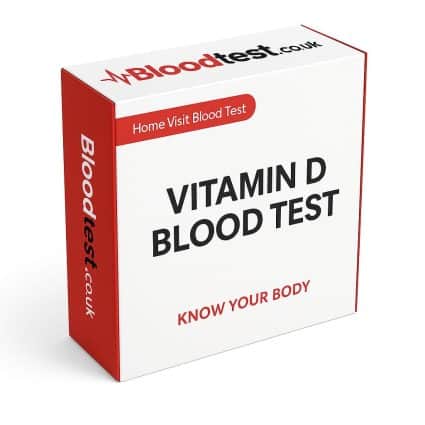

Conducting thorough research into local clinics is crucial. Compare their reputations, services, and patient feedback. Great Yarmouth is home to several health centres and private practices offering these tests. Evaluating their proximity and accessibility can enhance the overall patient experience.
How to Confirm Your Eligibility for Testing
Before booking a vitamin D blood test, it is essential for individuals to ascertain their eligibility for free testing through a GP referral. In some instances, individuals may not qualify for complimentary services and will need to consider paid options at local clinics. Understanding the eligibility criteria can save time and ensure that patients choose the best route for their needs.
NHS guidelines typically specify who qualifies for free testing, often targeting at-risk groups such as older adults, pregnant women, and individuals with certain health conditions. Consulting a GP or local health authority can clarify eligibility, ensuring patients are informed before making an appointment.
Gathering Necessary Identification Documents
When registering at testing centres in <a href="https://bloodtest.co.uk/private-blood-test-great-yarmouth/">Great Yarmouth</a>, patients should prepare specific identification documents to ensure a smooth registration process. Commonly required documents include:
- Photo identification (e.g., passport or driving licence)
- NHS number (if applicable)
- Proof of address (e.g., utility bill)
- Any relevant medical history documentation
Having these documents ready can expedite the registration process, allowing patients to concentrate on their health rather than administrative tasks. It is advisable to confirm with the chosen provider if any additional documentation is needed beforehand.
Scheduling a Convenient Appointment
Residents of Great Yarmouth should contact their selected provider to arrange a suitable time for their vitamin D blood test. Many clinics offer extended hours, including evenings and weekends, to accommodate various schedules. Minimising disruption to daily life is essential, especially for those balancing work commitments or family responsibilities.
When booking, patients should inquire about the expected duration of the appointment and any specific pre-test instructions. This proactive approach can streamline the process and ensure efficient service delivery at local facilities throughout the UK.
Understanding the Costs and Follow-Up Procedures
Before attending the appointment, patients in Great Yarmouth should familiarise themselves with all associated costs for the vitamin D blood test. Prices can vary significantly between NHS and private providers, making it crucial to understand the financial implications. Some clinics may offer additional services, such as result interpretation or follow-up consultations, which could incur extra charges.
It is wise to ask about accepted payment methods, as many clinics now provide online payment options for added convenience. Being aware of potential costs and follow-up procedures enables patients to prepare adequately, optimising their testing experience.
What Are the Costs for Vitamin D Testing Across the UK?
Assessing Standard Fees for Tests
The costs for a vitamin D blood test in Great Yarmouth generally range from £20 to £60, depending on whether the service is NHS-subsidised or entirely private. NHS tests are typically free for eligible patients, while private clinics charge fees that can fluctuate based on the facility’s reputation and the speed of service provided.
Patients should consider not only the cost of the test itself but also any additional services that may be required, such as consultations or follow-up visits. Being aware of these factors can assist individuals in budgeting effectively and avoiding unexpected expenses.
What Additional Charges Might Occur?
Some laboratories may impose extra fees for expedited results or home visits, so it is prudent to confirm all costs prior to booking in Great Yarmouth. Patients should inquire with their chosen provider about any hidden charges, ensuring they have a comprehensive understanding of what to expect financially.
To the basic test fee, patients may incur charges for supplementary services such as detailed explanations of results or follow-up assessments. Being aware of these potential costs helps individuals make informed decisions regarding where to have their tests conducted.
Exploring Available Payment Options
Residents often have the option to pay online or in person, with various payment methods accepted by clinics throughout the UK. Many facilities now provide contactless payment options, streamlining the transaction process for enhanced efficiency.
Patients should check if their chosen provider accepts health insurance or offers payment plans for those who may require them. Understanding all available payment options can alleviate financial pressures and ensure a smoother experience when arranging a vitamin D blood test.
Insights from Experts on Vitamin D Testing in Great Yarmouth
Examining Recent Clinical Findings
Current clinical data reveal that vitamin D deficiency is a widespread concern among patients utilizing local testing services in Great Yarmouth. Research indicates that certain demographics, particularly older adults and individuals with limited sun exposure, are at an increased risk of deficiency. This information is essential for healthcare providers in the region, enabling them to tailor their approach to patient care accordingly.
Healthcare professionals increasingly recognise the significance of monitoring vitamin D levels, especially in areas where sunlight may be scarce during winter months. By routinely assessing deficiency rates, healthcare practitioners can implement targeted interventions and awareness initiatives to educate the local population.
What Factors Contribute to Local Deficiency Rates?
Factors such as diet, sunlight exposure, and age significantly influence vitamin D deficiency rates, particularly in coastal communities like Great Yarmouth. The geographical location means that residents may experience insufficient sunlight for much of the year, adversely affecting their ability to synthesise vitamin D naturally.
Diet also plays a crucial role in determining vitamin D levels, with many individuals not consuming adequate amounts of vitamin D-rich foods such as fatty fish, fortified dairy products, and egg yolks. Understanding these factors enables healthcare providers to offer tailored advice, helping patients make informed dietary choices to improve their vitamin D status.
Offering Personalised Guidance for Patients
Practitioners who frequently assist individuals seeking a vitamin D blood test in Great Yarmouth often provide personalised guidance tailored to each patient’s circumstances. For instance, patients with low levels may be encouraged to safely increase their sun exposure or consider supplementation, particularly during the winter months when sunlight is limited.
Real-world examples from local healthcare providers suggest that adopting a proactive stance on <a href="https://electroquench.com/vitamin-d-blood-test-importance-of-testing-in-worthing/">vitamin D testing</a> can lead to improved health outcomes. By engaging patients in discussions about their lifestyle and dietary choices, practitioners empower them to make informed decisions that enhance their overall wellbeing.
What Can You Anticipate During the Testing Process?
Arriving at Your Selected Testing Facility
Upon arrival at their chosen facility in Great Yarmouth for a vitamin D blood test, patients are typically welcomed by friendly staff who guide them through a straightforward blood draw process. This procedure generally takes less than ten minutes, providing a quick and efficient experience for individuals aiming to monitor their health.
Patients may need to complete some preliminary paperwork before the test, which can help streamline the overall process. Knowing what to expect can alleviate any anxiety, making patients feel more at ease during their visit.
What Attire Should You Wear for Comfort?
Wearing loose-fitting clothing around the arm can facilitate a more efficient blood draw during a vitamin D blood test. Comfortable attire not only simplifies the procedure for healthcare providers but also ensures that patients feel relaxed throughout their appointment.
It is advisable to avoid tight sleeves or layers that may require adjustment during the test. By dressing appropriately, patients can enhance their experience and ensure a smooth process from start to finish.
Receiving and Interpreting Your Results
After the blood test, laboratories typically send reports electronically or via post, detailing clear reference ranges that are standard across the UK. Patients should carefully review their results, noting any values that fall outside the normal range.
Comprehending the implications of these results is crucial, as it can influence future health decisions. Many clinics offer follow-up consultations to assist patients in interpreting their results and discussing potential next steps, ensuring they are well-informed about their vitamin D status.
The Research-Driven Benefits of Vitamin D Testing in Great Yarmouth
Early Detection of Deficiencies
Prompt identification through a vitamin D blood test in Great Yarmouth aids in preventing complications such as bone weakness, which is common in the northern regions of the UK. Detecting deficiencies early can lead to timely interventions, reducing the risk of long-term health issues associated with low vitamin D levels.
Healthcare providers can utilise test results to implement strategies that enhance patient outcomes, such as recommending dietary changes or supplements. This proactive approach is vital for maintaining overall health and preventing the emergence of related conditions.
Supporting Overall Health Monitoring
Regular checks empower healthcare professionals to recommend supplements or lifestyle adjustments tailored to residents. Monitoring vitamin D levels is particularly important in areas with limited sunlight exposure, where deficiencies are more likely to occur.
Patients who engage in routine testing are better equipped to manage their health proactively. By closely collaborating with healthcare providers, individuals can develop personalised plans that support their vitamin D status and general wellbeing.
Providing Actionable Steps for Ongoing Care
Experts advocate for dietary modifications and safe sun exposure practices based on the findings of a vitamin D blood test in Great Yarmouth. For instance, individuals may be advised to increase their intake of vitamin D-rich foods or consider supplementation tailored to their unique needs.
Healthcare providers may also offer guidance on safe sun exposure practices, helping patients maximise their vitamin D synthesis while minimising the risk of skin damage. These actionable steps enable individuals to take control of their health and maintain optimal vitamin D levels.
Boosting Immune Function
Research indicates that vitamin D blood tests in Great Yarmouth help individuals maintain adequate levels, which studies correlate with enhanced immune function and reduced seasonal illnesses in the northern UK climate. Sufficient vitamin D levels are essential for a well-functioning immune system, especially during colder months when respiratory infections are more common.
By ensuring that residents monitor their vitamin D status, healthcare providers can contribute to enhancing community health. This proactive approach not only benefits individuals but also supports broader public health initiatives aimed at decreasing illness rates.
Why Opt for Home Testing Kits Instead of Clinic Visits?
Convenience for Contemporary Lifestyles
Home testing kits allow individuals in Great Yarmouth to collect samples without needing to travel to a clinic during working hours. This convenience is particularly advantageous for those with demanding jobs or family commitments, enabling them to manage their health on their terms.
Home kits typically come with clear instructions, making the testing process accessible to everyone. By choosing this option, patients can maintain their schedules while prioritising their health and wellbeing.
Ensuring Accurate Sample Collection
Comprehensive instructions guide users in providing viable blood spots that laboratories can reliably analyse throughout the UK. Home testing kits are designed to ensure that patients can successfully collect samples without compromising accuracy.
By following the provided guidelines, individuals can feel confident that their results will be reliable and accurately reflect their true vitamin D status. This level of assurance is critical for making informed health decisions based on test outcomes.
How Reliable Are Results Received by Post?
Validated postal services provide accurate readings comparable to in-person tests when correctly used by patients in the UK. Many home testing kits undergo rigorous quality control measures, ensuring that results are both trustworthy and valid.
Patients should adhere to the instructions meticulously to maximise accuracy. Understanding the reliability of postal results can help individuals feel more confident in choosing home testing as a viable option for monitoring their vitamin D levels.
Enhanced Privacy for Sensitive Health Assessments
Home testing kits offer individuals throughout the UK a discreet option for conducting personal health assessments without needing face-to-face interactions at busy clinics or medical facilities. This privacy can be especially appealing to those who may feel uncomfortable discussing their health issues in person.
By opting for home testing, patients can take control of their health in a manner that feels comfortable and secure. This approach respects individual privacy and encourages more people to engage in health monitoring.
Minimised Risk of Cross-Contamination
Patients using home testing kits in Great Yarmouth can avoid potential exposure to pathogens typically present in clinical settings, ensuring a safer and more controlled sampling process throughout the UK. This consideration is particularly relevant in light of recent public health concerns.
By reducing the risk of cross-contamination, home testing kits provide a safer alternative for individuals looking to monitor their vitamin D levels. This added level of security can offer peace of mind, encouraging more individuals to take proactive steps towards their health.
Aftercare and Recommendations for Follow-Up
Discussing Results with Your Healthcare Provider
GPs in Great Yarmouth assess findings and suggest tailored treatment plans based on UK guidelines. Following up with a healthcare provider ensures that patients fully understand their results and their implications for health.
Such discussions can lead to personalised recommendations, including dietary adjustments or supplementation strategies. Engaging with a healthcare professional after testing is essential for maximising the benefits of the vitamin D blood test.
Monitoring Vitamin D Levels Over Time
Regular testing every few months helps track progress following supplementation or dietary changes. Continuous monitoring enables patients to evaluate the effectiveness of their chosen interventions, ensuring they maintain optimal vitamin D levels.
This ongoing process is crucial, particularly for individuals at risk of deficiency. By remaining vigilant about their vitamin D status, patients can make informed health choices.
Lifestyle Changes to Promote Healthy Vitamin D Levels
- Incorporating vitamin D-rich foods into daily meals
- Practising safe sun exposure techniques
- Considering vitamin D supplements as recommended by healthcare professionals
- Maintaining a balanced diet rich in healthy fats
- Engaging in regular physical activity
Implementing these lifestyle changes can significantly influence vitamin D levels and overall health. By embracing these modifications, individuals can take proactive steps to maintain optimal vitamin D status and enhance their wellbeing.
Common Questions About Vitamin D Testing
What does a vitamin D blood test involve?
A vitamin D blood test measures the level of vitamin D in your bloodstream, helping to determine whether you have a deficiency or sufficient levels for optimal health.
How often should I be tested for vitamin D?
It is generally recommended to test vitamin D levels at least once annually, especially if you are at risk of deficiency or have health concerns.
Can I obtain a vitamin D test through the NHS?
Yes, eligible patients can access a vitamin D blood test through the NHS, typically via a GP referral.
What symptoms might indicate vitamin D deficiency?
Symptoms can include fatigue, bone pain, muscle weakness, and increased susceptibility to infections. Some individuals may not exhibit any symptoms at all.
What is the expected turnaround time for results from a vitamin D test?
Results usually take anywhere from a few days to a week, depending on the testing facility and the methods employed.
Are there risks associated with the blood test?
The blood draw is generally safe, with minimal risks such as slight bruising or discomfort at the injection site.
What should I do if my vitamin D levels are low?
If your levels are low, consult a healthcare professional for advice regarding dietary adjustments, supplements, or lifestyle changes.
Can I take vitamin D supplements without prior testing?
While supplements can be beneficial, it is advisable to test your levels first to determine the appropriate dosage for your specific needs.
Are home testing kits reliable?
Yes, home testing kits can yield accurate results when used correctly and in accordance with the provided instructions.
Is home testing for vitamin D safe?
Home testing is generally safe and provides privacy, allowing individuals to manage their health without needing to visit a clinic.
Visit our Facebook profile!
This Article Was First Published On https://bloodtest.co.uk
The Article Vitamin D Blood Test: Your Essential Guide in Great Yarmouth found first on https://electroquench.com