Spotting the Early Symptoms of Heat Exhaustion in Pets
Noticing Changes in Your Pet’s Behaviour
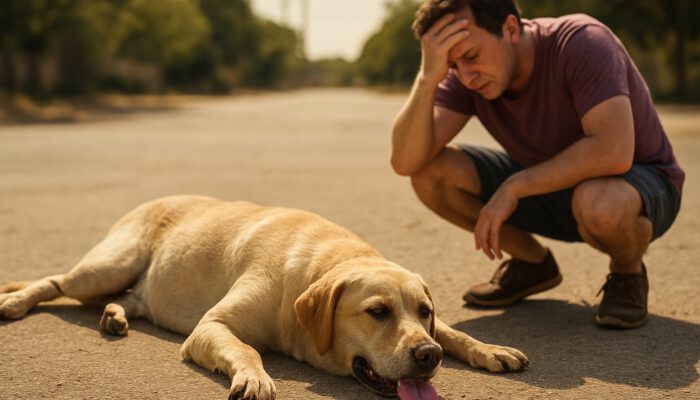
As a conscientious pet owner, it is crucial to remain vigilant for indications of unusual lethargy or increased restlessness in your furry friends. Changes in their usual behaviour can signal heat-related issues that necessitate immediate attention. Overlooking these warning signs can lead to serious health complications, impacting pets of all breeds and sizes.
Monitoring your pet’s behaviour during warmer weather is essential. If they seem excessively tired or are wandering aimlessly, they could be struggling with heat. Recognising these signs early allows for prompt interventions, helping to prevent them from developing into more serious health concerns.
Identifying Physical Symptoms of Heat Stress
Observing your pet’s body temperature and the colour of their gums provides crucial insights into their heat stress levels. Normal body temperature for pets typically ranges between 100.5°F and 102.5°F (38°C to 39.2°C). An increase in temperature requires immediate action to aid in their recovery.
The colour of your pet’s gums serves as another health indicator. Healthy gums should appear a bright pink; any signs of paleness or blue tints may indicate serious health issues, including heat exhaustion. Regularly checking these physical indicators empowers pet owners to respond swiftly, enhancing comfort and promoting recovery during hot spells.
Analysing Your Pet’s Breathing Patterns
Rapid panting accompanied by excessive drooling can clearly indicate that your pet is in distress. These symptoms often act as the initial warning signs of heat exhaustion and require immediate assessment. If you observe these signs, evaluate your pet’s condition to determine whether a visit to the veterinarian is necessary.
In some cases, fast panting may be the body’s natural reaction to overheating; however, it can escalate into a perilous situation quickly. Implementing swift cooling measures, such as moving your pet to a shaded area and providing them with water, can alleviate their discomfort and prevent additional complications.
Recognising Signs of Dehydration
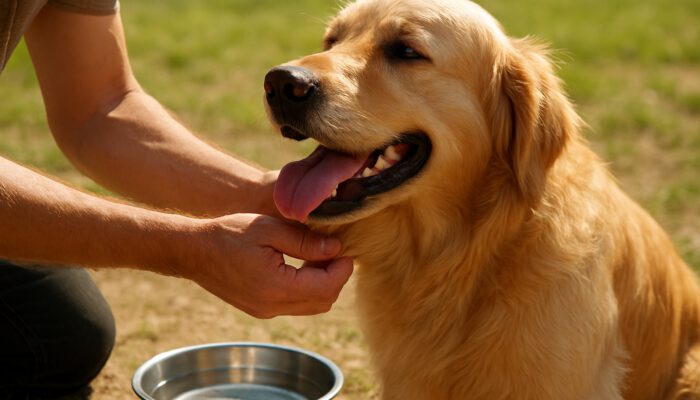
Evaluating your pet’s skin elasticity and the moisture in their mouth can help identify dehydration risks due to excessive heat. A practical method for checking hydration is gently pinching the skin on the back of your pet’s neck; if the skin does not quickly return to its original position, it may indicate dehydration. Ensuring your pet has constant access to fresh water is vital, especially during hotter weather.
Examining the moisture in their mouth also provides insights into their hydration status. A dry mouth or sticky gums may signal dehydration, indicating a need for increased water intake. Keeping your pet well-hydrated is essential for their recovery and overall health across various breeds and species.
Evaluating Coordination and Movement
Any signs of stumbling or disorientation in your pet’s movements can suggest neurological effects stemming from overheating. These symptoms may indicate that your pet is suffering from heat exhaustion, requiring immediate adjustments to their environment for cooling. Taking swift action can help prevent further health complications that could jeopardise your pet’s well-being and activity levels.
If your pet appears unsteady or struggles to maintain balance, it is crucial to reduce their exposure to heat and seek veterinary assistance. This may involve relocating them to a cooler environment where they can recover safely, minimising the risk of serious health issues.
Implementing Effective Cooling Techniques for Pets
Using Water for Cooling Relief
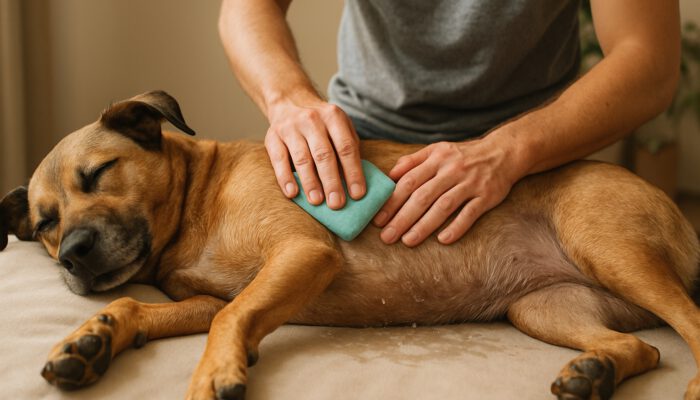
Gently moistening your pet’s fur with room temperature water is an effective method for gradually reducing their body temperature. Avoid using ice-cold water, as this can shock their system and lead to further complications. Instead, focus on a gradual cooling process over several minutes to ensure a safe temperature reduction.
Pay special attention to areas where blood vessels are closer to the skin, such as their abdomen and paws. This targeted approach can effectively help dissipate heat. Always supervise your pet during this process to ensure their comfort and safety as their body temperature stabilises.
Utilising Fans for Enhanced Air Circulation
Setting up fans to circulate air around your pet’s resting area can facilitate evaporative cooling, aiding in temperature regulation. This method proves especially beneficial in indoor spaces where heat can accumulate. Ensure the fan is not directed directly at your pet’s face to avoid causing unnecessary stress.
Creating a comfortable environment with proper air circulation can significantly enhance your pet’s recovery process. Combine this technique with other cooling strategies to achieve optimal results, ensuring your pet remains calm and relaxed during their recuperation.
Seeking Shady Areas for Relief
Moving your pet to a well-ventilated indoor environment can substantially reduce heat absorption. This initial care step supports quicker stabilization and comfort. If staying indoors is not feasible, find a shaded outdoor area where your pet can cool down effectively.
Make sure that the chosen area is free from direct sunlight and has sufficient airflow. This simple adjustment can greatly enhance your pet’s comfort and expedite their recovery from heat exhaustion.
Applying Cold Compresses with Caution
Carefully placing cool compresses on your pet’s paws, ears, and groin can assist in drawing heat away from their core. Avoid sudden temperature changes that could lead to complications during the cooling process. Gradually apply the compresses while observing your pet’s response.
This technique can provide comfort and alleviate distress while cooling them down. Always ensure that the compresses are not excessively cold, as this could lead to additional discomfort or stress.
Encouraging Hydration for Effective Recovery
Offering small amounts of fresh cool water for your pet to sip is essential for internal cooling and preventing dehydration, which often accompanies heat stress. Encourage regular drinking, but avoid overwhelming your pet with large amounts at once.
Consider providing ice chips or frozen treats made from pet-safe ingredients to keep them hydrated and cool. This not only aids in hydration but also serves as a refreshing treat that can support your pet’s recovery process.
The Vital Importance of Hydration in Recovery
Ensuring Constant Access to Fresh Water
Encouraging your pet to sip small amounts of cool water helps replenish lost fluids crucial for restoring electrolyte balance. Proper hydration supports internal cooling mechanisms and aids your pet’s recovery from heat exhaustion. Always ensure that fresh water is available, particularly during hotter weather.
Hydration is fundamental to maintaining overall health and supporting essential bodily functions. By providing consistent access to water, you enhance your pet’s chances of effective recovery while minimising the risks associated with heat stress.
Monitoring Your Pet’s Water Intake
Keeping track of your pet’s water consumption allows you to adjust their feeding strategies, ensuring adequate hydration without overwhelming their digestive system during recovery. Pay close attention to their water intake, especially if they exhibit signs of heat exhaustion.
If your pet is not drinking enough, try enticing them with flavoured water or offering it in various bowls to encourage hydration. Maintaining appropriate hydration levels is crucial for their recovery and overall health.
Are Electrolyte Supplements Beneficial?
Incorporating veterinarian-approved electrolyte solutions can enhance fluid retention and restore energy in dehydrated pets. These supplements help replenish lost minerals and support recovery, boosting vitality within hours of administration. Always consult your veterinarian before introducing new supplements to your pet’s diet.
Electrolyte supplements can be especially advantageous following episodes of heat stress or dehydration. By ensuring your pet receives the right balance of fluids and electrolytes, you effectively support their recovery and overall well-being.
Expert Recommendations for Managing Heat Exhaustion in Pets
Assessing the Severity of Symptoms
Veterinary professionals typically differentiate between mild and severe cases of heat exhaustion based on observable symptoms. For instance, a pet that is simply panting may be experiencing a mild case, while one that appears disoriented or unresponsive requires immediate medical attention.
Real-world examples from veterinary practices highlight the importance of recognising these distinctions. Knowing when to seek advanced care is critical for your pet’s health and overall recovery. Always err on the side of caution if you are uncertain about your pet’s condition.
Following Structured Treatment Protocols
Providing clear steps for pet owners to follow ensures that each stage of treatment builds upon the last. Start by identifying symptoms, then move on to immediate cooling strategies, followed by hydration and, if needed, professional evaluation.
This systematic approach reduces complications, empowering pet owners to manage their pets’ conditions with confidence. Each step is essential for achieving comprehensive stabilization and ensuring optimal recovery outcomes.
Monitoring Your Pet’s Recovery Progress
Observing your pet’s recovery through visible improvements in behaviour and energy levels is vital. By tracking these changes, you can make informed decisions regarding ongoing care adjustments. Regular check-ins with your veterinarian can also offer valuable insights into your pet’s recovery journey.
Noticing positive developments, such as increased activity or improved appetite, can indicate that your pet is on the mend. Conversely, if symptoms persist or worsen, seeking further veterinary assistance becomes essential for your pet’s health and well-being.
What are the Risks of Delayed Treatment?
Potential Stress on Internal Organs
If left untreated, cases of heat exhaustion can lead to complications affecting various organ systems. This may result in extended recovery periods and additional medical interventions to restore normal function. Early recognition can help prevent these severe outcomes and facilitate quicker recovery.
Pets enduring prolonged heat stress may experience organ strain, potentially leading to long-term health complications. Timely treatment is critical to safeguard your pet’s overall health and minimise the risks associated with heat exhaustion.
Effects on Immune Function
Delayed treatment can undermine your pet’s immune system, rendering them more susceptible to secondary health issues that prolong discomfort and impair long-term wellness. For example, a pet experiencing heat exhaustion might develop respiratory complications if not treated swiftly.
Recognising the importance of timely intervention empowers pet owners to act before minor issues escalate into serious health concerns. Early detection and treatment can significantly enhance your pet’s chances of a full recovery.
Prolonged Recovery Periods
Postponing action often results in extended recovery times. This highlights the importance of early detection in maintaining your pet’s quality of life. A pet receiving prompt care is more likely to recover quickly and resume their normal activities.
The longer heat exhaustion remains untreated, the greater the risk of complications, leading to prolonged recovery periods. Pet owners should proactively identify symptoms and seek appropriate care to keep their pets healthy and active.
Risk of Chronic Conditions Developing
Delaying veterinary treatment can turn temporary health issues into persistent chronic conditions. Animals that endure severe heat stress without timely intervention may face ongoing health challenges, necessitating continual medical care and lifestyle adjustments.
This can lead to a declining quality of life over time, underscoring the need for prompt care. By recognising signs of heat exhaustion early and seeking treatment, pet owners can help prevent long-term health issues for their beloved companions.
Increased Veterinary Expenses
Postponing necessary medical attention often transforms minor problems into severe issues that require costly surgeries or extensive therapies. This financial burden can be significant for pet owners, particularly when confronted with unexpected health crises.
Early intervention not only protects your pet’s health but also helps minimise the likelihood of incurring high veterinary bills later on. By being proactive about your pet’s well-being, you can manage costs while ensuring they receive the care they require.
Ensuring Comprehensive Veterinary Care
Scheduling Regular Veterinary Check-Ups
Frequent evaluations with veterinary professionals provide tailored advice based on your pet’s individual needs. These assessments facilitate accurate management strategies throughout the recovery process, allowing for necessary adjustments.
Veterinarians can offer valuable insights into your pet’s health and recommend appropriate treatments. Establishing a routine for professional check-ups can enhance your pet’s overall health and help prevent future heat-related issues.
Adhering to Prescribed Medication Guidelines
Following medication instructions is vital for effective symptom management and preventing setbacks during critical phases of treatment and recovery. It is essential to closely adhere to your veterinarian’s recommendations to ensure your pet receives optimal care.
Neglecting to administer medications as directed can lead to complications and hinder recovery. Establishing a schedule for medication administration can help keep your pet on track with their treatment plan.
Is Follow-Up Testing Necessary?
Blood tests or similar assessments can uncover hidden concerns, enabling proactive measures to prevent recurrence and promote sustained health. Follow-up testing is often a crucial component of the recovery process, particularly after episodes of heat exhaustion.
Discussing the necessity for follow-up testing with your veterinarian can enhance your understanding of your pet’s health status. This proactive approach can lead to early detection of potential issues, ensuring your pet remains healthy and thriving.
How Can Pet Owners Safeguard Their Pets’ Well-Being?
Establishing Consistent Daily Routines
Creating regular schedules for activity and rest helps minimise exposure to risks while fostering habits that enhance resilience against environmental challenges. Consistent routines enable pets to adapt to daily temperature and humidity fluctuations, reducing their susceptibility to heat exhaustion.
Incorporating breaks during playtime, especially on hot days, can help prevent overheating. By being attentive to your pet’s needs, you can cultivate a safer environment that promotes their well-being throughout the year.
Educating Family Members
Sharing knowledge about the signs of heat exhaustion empowers all household members to respond promptly and effectively. When everyone understands the symptoms, they can act swiftly if a pet exhibits signs of distress.
Regular discussions about pet health and safety foster a supportive environment. Teaching children to recognise signs of heat exhaustion also encourages responsible pet ownership from an early age.
Modifying Exercise Schedules
Planning activities during the cooler parts of the day can significantly reduce stress on pets and enhance enjoyment for both pets and their owners. Consider the following benefits of adjusting exercise times:
- Reduces the risk of overheating
- Encourages longer, more enjoyable walks
- Improves overall fitness
- Enhances mood and behaviour
By scheduling outdoor activities for early mornings or late evenings, you can help ensure your pet remains safe and comfortable while engaging in their exercise routines.
Strategies for Sustained Recovery
Gradually Reintroducing Normal Activities
Slowly reintroducing play and movement is essential for safely rebuilding strength. Overexertion can hinder progress made during earlier stages, so it’s important to monitor your pet closely as they resume their regular activities.
Begin with short play sessions and gradually increase their duration as your pet regains strength. This cautious approach helps prevent setbacks and supports a successful recovery trajectory.
Monitoring Health Improvements
Regularly observing your pet’s weight and appetite provides insights into their healing process. Tracking these indicators allows for timely adjustments to their diet or environment, ensuring sustained progress.
If you notice significant changes, such as weight loss or decreased appetite, consult your veterinarian. Monitoring these health markers is crucial for supporting your pet’s recovery and overall well-being.
Building Resilience Against Future Heat Stress
Incorporating preventive measures into your pet’s routine can enhance their long-term vitality and reduce the risk of future heat exhaustion incidents. Consider implementing the following strategies:
- Creating shaded rest areas
- Providing ample water during outdoor activities
- Using cooling mats or vests
- Scheduling regular veterinary check-ups
By proactively adopting these strategies, you can strengthen your pet’s resilience against heat-related challenges and promote their long-term health.
Continuing Care Following Initial Treatment
Evaluating Treatment Effectiveness
Assessing the effectiveness of your pet’s recovery methods helps inform future preparedness. By identifying which strategies yielded positive outcomes, you can refine your approach to pet care for improved results in the future.
Engaging in discussions with your veterinarian about your pet’s recovery can provide additional insights. These conversations can help tailor care strategies that align with your pet’s specific needs and lifestyle.
Implementing Ongoing Preventive Measures
Staying vigilant is crucial for maintaining wellness and preventing repeat occurrences of heat exhaustion. Consider the advantages of preventive measures:
- Heightened awareness of environmental conditions
- Improved hydration practices
- Regular temperature monitoring tools
- Greater understanding of heat-related risks
By integrating these preventive strategies into your routine, you can help ensure your pet remains healthy and safe throughout the year.
Building a Support Network
Connecting with knowledgeable resources provides ongoing guidance, fostering confidence in proactively managing your pet’s health. Whether it’s your veterinarian, local pet community, or online forums, having a support network can be invaluable.
Sharing experiences and learning from others can deepen your understanding of pet care and keep you informed about best practices. This collaborative approach can lead to better health outcomes for your pet in the long run.
Frequently Asked Questions
What are the early signs that my pet may be suffering from heat exhaustion?
The initial signs of heat exhaustion in pets include excessive panting, drooling, lethargy, and restlessness. Observing these symptoms early can help prevent further complications.
What are the most effective methods to rapidly cool down my pet?
You can quickly cool your pet by applying cool water to their fur, using fans for airflow, or relocating them to a shaded area. Ensure they have access to water to assist with hydration.
Is it safe to provide ice cubes to pets for hydration?
Yes, offering ice cubes can be a fun way to keep pets hydrated, but ensure they are small enough to avoid choking hazards. Always supervise your pet while they enjoy them.
When should I seek veterinary assistance regarding my pet’s heat exhaustion?
You should consult a veterinarian if your pet exhibits severe symptoms such as disorientation, persistent vomiting, or if their condition does not improve with home cooling methods.
Can untreated heat exhaustion lead to long-term health complications?
Yes, without prompt treatment, heat exhaustion can result in lasting health issues, including organ strain and chronic conditions. Timely care is essential to prevent these complications.
What should I do if my pet refuses to drink water?
If your pet is reluctant to drink water, try offering flavoured water or ice chips. Using a syringe to gently administer small amounts of water can also be effective if necessary.
What preventive measures can I take to avoid heat exhaustion in my pet?
To prevent heat exhaustion, ensure your pet has plenty of water, avoid exercising during peak heat hours, and provide access to shaded or cool areas. Regular veterinary check-ups can also be beneficial.
Is it normal for pets to pant after exercising?
Yes, panting after exercise is normal as it helps them cool down. Excessive panting in hot weather may indicate heat exhaustion.
What cooling products are most effective for pets during hot weather?
Cooling mats, vests, and bandanas are excellent tools for helping pets stay cool, particularly during warm weather or after exercise.
How frequently should I check my pet’s hydration levels in the summer?
During summer, it is advisable to check your pet’s hydration levels several times a day, particularly after walks or play sessions. Always provide access to fresh water.
Discover New Stories on Facebook!
The Article Heat Exhaustion Treatment For Pets: Vital Steps For Recovery First Published On https://elgatoencasa.com
The Article Heat Exhaustion Treatment for Pets: Essential Recovery Steps Was Found On https://limitsofstrategy.com
The Article Heat Exhaustion Treatment for Pets: Key Recovery Tips found first on https://electroquench.com