Implement These Essential Techniques for Effective Heartworm Prevention
What Are the Crucial Stages in the Heartworm Life Cycle You Should Understand?
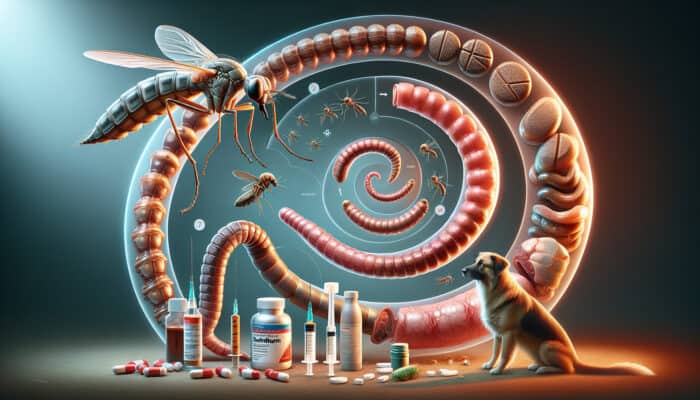
The intricate life cycle of heartworms comprises several critical stages, beginning with the transmission of larvae through mosquito bites. Once these larvae enter a host’s bloodstream, they undergo a maturation process that ultimately leads to their development into adult heartworms residing in the heart and lungs. This progression can result in severe health complications, including heart failure and significant respiratory issues for pets. To disrupt this life cycle effectively, it is vital to implement timely treatments and stringent environmental controls that prevent mosquito breeding and transmission. This proactive approach is essential in creating a safe and healthy environment for your cherished pets.
Key Elements for an Effective Heartworm Prevention Strategy
A robust heartworm prevention strategy encompasses several essential elements that work in unison to establish a formidable defence against potential infestations. The fundamental components include:
- Regular veterinary examinations for thorough health assessments and evaluations
- Tailored preventive medications that cater to your pet’s unique needs
- Maintaining a clean living space to minimise exposure to mosquitoes
- Monitoring for symptoms that could indicate heartworm-related concerns
By integrating these vital elements, pet owners can take proactive measures to protect their furry companions from heartworm diseases, significantly reducing the risk of severe health issues associated with these perilous parasites on a global scale.
What Symptoms Should You Vigilantly Observe in Your Pets?
Remaining vigilant to subtle changes in your pets’ behaviour is crucial for the early detection of potential heartworm infestations. Symptoms to closely monitor include persistent coughing, unusual fatigue, and a noticeable decline in appetite. Recognising these signs early during routine care allows for timely veterinary intervention, ultimately preserving the overall health and well-being of your beloved companions. Regular observation not only enhances the quality of life for pets but also helps maintain their vitality and energy levels, ensuring they can fully enjoy their lives without the burden of health concerns.
How to Properly Administer Preventive Medications to Your Pets for Maximum Effectiveness

Utilising effective preventive medications, such as monthly chewables or injectable treatments, is essential for safeguarding your pets against heartworm infections. These medications specifically target heartworm larvae, effectively preventing their development into adult worms. Adhering to the prescribed dosing schedules and being informed about any potential side effects is crucial. By diligently following these guidelines, pet owners can ensure year-round protection as recommended by veterinary professionals, significantly enhancing their pets’ long-term health and safety against these parasitic threats.
Why Is Annual Testing Crucial for Your Pets’ Health?
Annual heartworm testing holds paramount importance, even for pets that consistently receive preventive medications. Regular testing facilitates the early detection of infections before clinical symptoms manifest, enabling timely and effective treatment. This proactive approach not only protects your pet’s health but also enhances their longevity and quality of life. It ensures that any potential heartworm-related complications are swiftly addressed. Consistent testing is a fundamental aspect of responsible pet ownership that significantly contributes to the overall health and well-being of your beloved companions.
Explore Proven Strategies for Effective Heartworm Prevention
Why Is Regular Testing Essential for Your Pet’s Optimal Health?

Routine testing serves as a cornerstone for maintaining optimal animal health and preventing heartworm infections from escalating into serious medical issues. Regular veterinary check-ups facilitate the early identification of any potential health concerns, empowering pet owners to implement proactive health management practices. By staying ahead of potential heartworm infections, pet owners can ensure that their furry companions remain healthy and free from the dangers associated with these parasites, thus promoting a longer and healthier life for their pets.
How Preventive Medications Fortify Your Heartworm Defence?
Preventive medications constitute the foundation of any comprehensive heartworm defence strategy, effectively targeting parasites at various critical stages of their life cycle. When administered as directed and seamlessly integrated into your pet’s daily routine, these treatments yield long-term health benefits, protecting pets from the detrimental impact of heartworms. Consistency in administering medication is essential to ensure that pets receive ongoing protection, thereby enhancing their overall health and significantly reducing the risk of infection. This mindful approach to pet care is vital for their well-being.
What Environmental Conditions Must Be Managed for Effective Heartworm Prevention?
Managing environmental conditions is paramount in minimising exposure to heartworm-carrying mosquitoes. Simple yet effective measures, such as eliminating standing water around your home, clearing debris, and employing mosquito repellent products, can significantly bolster protection for pets. By taking these proactive steps, pet owners can create a safer outdoor environment, greatly reducing the risk of mosquito bites and subsequent heartworm transmission. This comprehensive approach is critical in safeguarding the health of pets residing in diverse living conditions, ensuring their safety and comfort.
What Common Factors Increase the Risk of Heartworm Exposure?
Common factors that elevate the risk of heartworm exposure include seasonal changes, particularly in warmer climates where mosquito populations thrive. Understanding these dynamics can significantly assist pet owners in mitigating risks to their animals and implementing effective prevention strategies. Recognising the seasonal behaviours and environmental conditions that favour mosquito breeding empowers pet owners to take necessary actions to limit their pets’ exposure to these hazardous insects, thereby enhancing heartworm prevention efforts and contributing to their pets’ health.
What Environmental Conditions Heighten Heartworm Risks?
Certain environmental conditions, such as high humidity levels and elevated temperatures, can substantially increase the risks associated with heartworm exposure. To combat these threats effectively, pet owners should adopt pragmatic measures, including installing mosquito-proof screens, keeping pets indoors during peak mosquito activity hours, and scheduling preventive treatments in accordance with seasonal changes. These actions create a safer environment for pets while drastically lowering the likelihood of heartworm transmission, ensuring pets remain healthy and active.
What Behavioural Changes Might Indicate Potential Heartworm Exposure?
Shifts in a pet’s activity levels can serve as crucial indicators of potential heartworm exposure, prompting owners to take prompt action. Signs such as lethargy, disinterest in play, or any unusual behavioural changes should alert pet owners to the possibility of heartworm infection. By remaining vigilant to these indicators, pet owners can respond swiftly, ensuring the health and safety of their cherished pets while preventing potential complications associated with heartworm disease. Quick responses can significantly influence outcomes in health management.
Expert Insights on Effective Heartworm Prevention Techniques You Should Know
What Advanced Diagnostic Tools Are Available for Detecting Heartworm Infections?
Advanced diagnostic techniques, including specialised blood tests, provide accurate detection of heartworm infections in pets. These methods significantly enhance early intervention efforts, improving treatment outcomes and enabling timely management of heartworm-related health concerns. By employing these sophisticated diagnostic tools, veterinarians can deliver targeted care, ensuring that pets receive the necessary treatment before complications arise, thereby safeguarding their overall health and well-being. This proactive approach to diagnosis is essential in effective pet care.
How to Combine Multiple Prevention Strategies for Maximum Heartworm Protection?
Integrating various prevention strategies leads to comprehensive protection against heartworms. For instance, combining preventive medications with environmental control measures exemplifies a layered approach that maximises defence against heartworm infestations. Real-world experiences indicate that pet owners who implement multiple strategies achieve optimal health outcomes for their pets, significantly reducing the risk of heartworm disease and enhancing their overall quality of life. This multifaceted approach is vital for effective health management.
What Is the Long-Term Efficacy of Heartworm Treatments and Preventive Measures?
The sustained use of heartworm preventive measures yields superior health outcomes for pets. Trusted strategies, as endorsed by veterinary experts, highlight the significance of consistency in administering these treatments. By ensuring continuous protection, pet owners can promote long-term well-being for their pets while minimising potential health complications associated with heartworm infections. This commitment to prevention is essential for maintaining a happy and healthy pet, ensuring they thrive in their environment.
What Heartworm Prevention Approaches Should Be Considered for Optimal Safety and Protection?
Why Are Oral Medications Essential for Effective Heartworm Prevention?
Oral medications provide reliable protection against heartworm infestations by targeting parasites throughout their life cycle. Regular administration of these medications is crucial, making them a staple in preventative routines that ensure ongoing animal health and well-being year-round. By adhering to veterinarian recommendations, pet owners can effectively shield their pets from the dangers associated with heartworms, enhancing their quality of life and overall health. This proactive approach to pet care is vital for long-term wellness.
What Benefits Do Topical Applications Offer as an Alternative for Heartworm Prevention?
Topical applications serve as a practical alternative for heartworm prevention by repelling mosquitoes upon contact. For optimal results, pet owners should follow these important guidelines:
- Apply on a dry coat to ensure maximum effectiveness
- Avoid bathing pets shortly after application to maintain the protective barrier
- Ensure complete coverage on the skin to maximise efficacy
- Follow veterinarian guidelines regarding application frequency
By adhering to these best practices, pet owners can enhance the protective effects of topical treatments, ensuring their pets remain safe from heartworm exposure in various scenarios and environments. This comprehensive approach is essential for effective heartworm management.
How Can Natural Supplements Support Your Heartworm Prevention Efforts?
Natural supplements, including various herbal aids, can complement core heartworm prevention strategies by bolstering overall health. These options can help strengthen pets’ immune systems, thereby enhancing their resilience against parasites. While these supplements should not replace veterinarian-recommended preventive medications, they can serve as valuable adjuncts in a comprehensive heartworm prevention approach. Providing pet owners with additional resources to optimise their pets’ health and overall well-being is crucial for effective care.
Research-Backed Advantages of Heartworm Prevention You Should Be Aware Of
What Insights Do Clinical Studies Reveal About Heartworm Prevention Effectiveness?
Clinical studies consistently demonstrate that pets receiving heartworm preventive treatments experience significantly lower infestation rates. Expert analysis of these findings underscores the significance of adhering to prevention protocols, providing effective strategies for pet owners. By following established guidelines and recommendations, pet owners can ensure their pets remain protected from heartworm infections, ultimately contributing to improved health and well-being. This evidence-based approach is vital for effective pet care.
How Do Heartworm Prevention Programs Contribute to Enhanced Animal Health?
Outcomes from heartworm prevention programs illustrate enhanced vitality and a marked reduction in complications for treated animals. Real-world examples highlight the benefits observed in pets who consistently undergo preventive care, showcasing the positive impact on their overall quality of life. By prioritising heartworm prevention, pet owners can cultivate a healthier environment for their animals, ensuring they enjoy happier, more active lives. This proactive approach is essential for long-term health and wellness.
What Is the Financial Justification for Implementing Early Heartworm Prevention Measures?
Investing in early heartworm prevention measures proves to be financially prudent in the long run. Data supports the notion that timely actions lead to better health outcomes without incurring excessive financial burdens. This positions prevention as a savvy and economically sound choice for pet owners globally, ensuring their pets receive the necessary care to remain healthy and free from heartworm infections. This strategic investment is vital for responsible pet ownership.
Why Is Early Detection Critical in Managing Heartworm Infections in Pets?
How Does Timeliness Affect Treatment Outcomes in Heartworm Cases?
Early detection of heartworm infections is essential for preventing severe damage to a pet’s health. Prompt identification allows for immediate intervention, which is crucial for safeguarding animal well-being and enhancing treatment effectiveness across various health scenarios. By prioritising early detection, pet owners can significantly improve their pets’ chances of successful recovery and long-term health, ensuring they lead joyful lives free from the burden of illness. Swift action is essential in effective health management.
What Symptoms Require Immediate Attention from Pet Owners to Ensure Prompt Care?
Key indicators such as lethargy, a persistent cough, or difficulty breathing necessitate swift action from pet owners. Addressing these symptoms promptly can help prevent the progression of heartworm disease, ensuring effective management of the condition. By being proactive, pet owners can mitigate risks and protect their pets’ health, preventing serious complications that may arise from delayed treatment. This vigilance is crucial in safeguarding their pets’ well-being.
What Are the Long-Term Consequences of Delaying Detection in Heartworm Cases?
Neglecting early signs of heartworm infestation can lead to irreversible health issues, emphasising the importance of prioritising timely detection. Delays in intervention can result in severe complications, underscoring the need for immediate veterinary attention. Timely action is critical for maintaining long-term health and preventing serious complications in pets, ultimately ensuring they enjoy a healthy and fulfilling life. This proactive approach to health management is essential for pet owners.
Incorporating Heartworm Prevention into Your Pets’ Daily Routines
What Daily Habits Can Significantly Diminish Heartworm Risk?
Incorporating simple yet effective habits into your daily routines can dramatically reduce heartworm exposure. Regular clean-ups in outdoor spaces, ensuring pets are not left outside during peak mosquito hours, and maintaining a tidy indoor environment all contribute to fostering a protective atmosphere for pets. By adopting these practical measures, pet owners can actively diminish the risk of heartworm transmission, safeguarding their pets’ health and overall well-being. This consistent approach is vital for effective prevention.
How Crucial Is Education for Pet Owners Regarding Heartworm Prevention Techniques?
Empowering pet owners with knowledge about heartworm prevention fundamentals is essential for effective pet care. Educational resources to consider include:
- Veterinary informational pamphlets for quick reference
- Online courses on pet health and disease prevention
- Workshops focused on effective prevention strategies
- <a href=”https://limitsofstrategy.com/debt-consolidation-mobile-apps-streamlined-solutions-update/”>Mobile apps</a> for medication reminders and health tracking
These resources enhance understanding and empower owners to apply prevention strategies effectively in their daily routines. This proactive education ultimately promotes a healthier lifestyle for pets, ensuring their safety against heartworm infections.
How Can Pet Owners Monitor Their Pets’ Progress Over Time to Ensure Effective Prevention?
Tracking responses to heartworm prevention efforts enables pet owners to make necessary adjustments as needed. This ongoing evaluation ensures sustained effectiveness in daily applications and promotes a proactive approach to pet health management. By regularly monitoring their pets’ health, owners can identify any emerging issues and respond accordingly. This vigilance ensures their pets remain protected against heartworm infections while promoting their overall well-being and happiness.
Long-Term Strategies for Effective Heartworm Management You Should Implement
How to Sustain Prevention Efforts Year-Round for Your Pets?
Annual planning is vital for sustaining effective heartworm prevention efforts. By adapting strategies to account for seasonal changes and environmental factors, pet owners can ensure ongoing protection and stability in their pets’ health throughout the year. This proactive approach not only enhances the effectiveness of prevention measures but also fosters a culture of continuous care and vigilance among pet owners, ensuring long-term health for their furry companions. This commitment to year-round care is essential for their well-being.
How to Modify Heartworm Prevention Strategies as Pets Age?
As pets age, their preventive needs may evolve, necessitating tailored heartworm prevention strategies that address their changing health requirements. Adjusting strategies to suit the varying needs of animals throughout their lives is critical for maintaining their health and ensuring effective protection against heartworms. Regular consultations with veterinarians can help pet owners stay informed about the best practices for their aging pets, ensuring they receive the necessary care to thrive and live healthy lives. This personalised approach is vital for long-term health management.
What Methods Can Be Utilised to Assess the Overall Success of Heartworm Prevention Strategies?
Periodically evaluating the effectiveness of heartworm prevention strategies allows pet owners to refine their approaches, supporting long-term animal well-being. Regular assessments enable pet owners to identify areas for improvement, ensuring that their preventive measures remain effective and relevant in safeguarding their pets’ health. By maintaining a focus on evaluation and adaptation, pet owners can foster a healthier environment for their beloved companions, ultimately enhancing their quality of life and overall happiness.
How to Foster Strategic Partnerships for Enhanced Pet Health Outcomes?
Establishing alliances with veterinary experts, organisations, and stakeholders enhances resource sharing and knowledge exchange. Collaborations with professionals in the field ensure robust long-term management of animal health challenges, promoting effective heartworm prevention strategies across communities. By leveraging these partnerships, pet owners can access valuable resources and support, ultimately enhancing the health and well-being of their pets while fostering a collaborative approach to pet care. This teamwork is essential for successful health outcomes.
What Role Does Ongoing Education Play in the Success of Heartworm Prevention?
Providing continuous learning opportunities for caregivers and pet owners regarding the latest heartworm prevention techniques empowers them to adapt strategies effectively. This commitment to education fosters high standards of animal welfare and ensures lasting health benefits for pets over time. By staying informed and proactive, pet owners can significantly contribute to their pets’ overall health and longevity, ensuring they lead happy and fulfilling lives. This dedication to education is vital for effective care.
Frequently Asked Questions About Heartworm Prevention Techniques
What Are the Primary Strategies for Effective Heartworm Prevention You Should Know?
The primary strategies for heartworm prevention encompass the regular administration of preventive medications, annual testing to detect any infections, and implementing environmental control measures to minimise mosquito exposure. By combining these strategies, pet owners can effectively safeguard their pets from heartworm infection and the associated health risks, ensuring a healthier future for their furry companions. This comprehensive approach is essential for effective pet care.
How Frequently Should I Schedule Heartworm Testing for My Pet?
Pets should undergo annual heartworm testing, regardless of whether they are on preventive medications. This regular testing guarantees early detection of any potential infections, allowing for prompt intervention if necessary, thus safeguarding your pet’s health effectively. This proactive measure is crucial for responsible pet ownership.
What Symptoms Should I Be Aware of That Indicate a Heartworm Infection in My Pet?
Common symptoms of heartworm infection include persistent coughing, decreased energy levels, noticeable weight loss, and difficulty breathing. Recognising these signs early is crucial for effective treatment and management of the condition, thereby protecting your pet’s long-term health and well-being. This awareness is vital for successful health management.
Can Indoor Pets Be Affected by Heartworms?
Yes, indoor pets can contract heartworms, especially if windows and doors are left open. Mosquitoes can easily enter homes and transmit the disease to pets, highlighting the necessity for preventive measures even for those that primarily stay indoors. This vigilance is crucial for safeguarding all pets.
Are Natural Remedies Reliable for Heartworm Prevention?
While certain natural remedies may offer supportive benefits, they should not replace veterinarian-recommended preventive medications. Consulting with a veterinarian is essential to determine the best prevention strategies tailored to your pet’s specific needs and health conditions. This professional guidance is vital for effective health management.
What Should I Do If My Pet Tests Positive for Heartworms?
If a pet tests positive for heartworms, it is crucial to consult your veterinarian immediately. They will recommend a tailored treatment plan, which may include medication and lifestyle adjustments to ensure your pet’s health and recovery from the infection. This prompt action is essential for effective care.
How Do I Select the Appropriate Preventive Medication for My Pet?
Consulting with your veterinarian is the best approach to determining the most suitable preventive medication for your pet, considering factors such as their age, weight, and overall health status. A veterinarian can provide valuable guidance on the most effective and appropriate options for your pet’s unique needs. This professional insight is critical for proper health management.
What Environmental Factors Heighten the Risk of Heartworm Infections?
Warm temperatures, high humidity levels, and the presence of standing water can significantly increase mosquito populations, thereby raising the risk of heartworm transmission in pets. Managing these environmental factors is crucial for effective heartworm prevention, ensuring your pets remain safe and healthy. This proactive approach is essential for safeguarding their health.
Can Heartworm Be Treated Once Contracted?
Yes, heartworm can be treated, but prevention is far more effective. Treatment can be complex and requires careful management, emphasising the importance of preventative measures to safeguard your pet’s health and well-being. This proactive approach is vital for responsible pet ownership.
How Does Heartworm Impact a Pet’s Overall Health and Well-Being?
Heartworm can cause severe health complications, including heart failure, lung disease, and potentially death if left untreated. Early detection and prevention are vital for protecting your pet and ensuring their long-term health and well-being, allowing them to lead fulfilling lives. This awareness is essential for proactive pet care.
Connect with Us on Facebook for More Insights and Updates!
The Article Heartworm Prevention Strategies: Essential Tips for Pets First Published On https://elgatoencasa.com
The Article Heartworm Prevention Strategies for Your Pets: Essential Tips Was Found On https://limitsofstrategy.com
The Article Heartworm Prevention Strategies: Essential Tips for Pets found first on https://electroquench.com