Your Essential Guide to Preparing for a Diabetes Blood Test in Southampton
How Can You Easily Schedule Appointments at Local NHS Facilities?
Private Blood Tests for Diabetes in Southampton: Residents can conveniently book diabetes blood tests through their GP surgeries or at the University Hospital Southampton. This streamlined process guarantees quick diabetes screenings with minimal waiting times, showcasing the efficiency of the UK healthcare system. Many surgeries now offer online booking, making it simpler than ever for residents to secure an appointment.
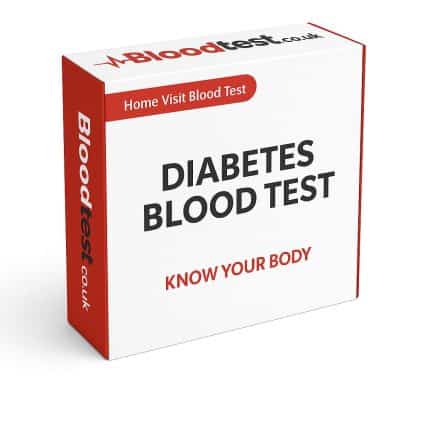

The University Hospital Southampton is exceptionally well-equipped to conduct a high volume of tests, frequently offering same-day or next-day appointments. This accessibility is vital for the early detection and management of diabetes, enabling individuals to take proactive measures regarding their health.
What Essential Documents Should Patients Bring to Their Appointment?
When attending a blood test for diabetes in Southampton, patients must bring several crucial documents. Identification, such as a driving licence or NHS card, is necessary for identity verification. having a list of current medications along with any previous test results can significantly aid clinicians in conducting accurate assessments.
Providing this information allows healthcare providers to gain a comprehensive understanding of the patient’s medical history, which is essential for interpreting test results effectively. Such preparation can lead to more personalised recommendations and tailored management strategies following the test.
What Are the Fasting Guidelines for Accurate Blood Test Results?
Fasting prior to a diabetes blood test is often crucial for obtaining reliable glucose readings. Key benefits of following fasting guidelines include:
- Enhanced accuracy of blood glucose measurements.
- Improved assessment of insulin sensitivity.
- Greater insight into the body’s response to food.
- Decreased variability in test results.
Fasting generally involves abstaining from all food and beverages, except water, for a specified period before the test. This practice enables clinicians to make informed decisions regarding diagnosis and treatment, ultimately benefiting the patient’s health.
Which Medications and Supplements Should Patients Avoid Prior to Their Test?
Individuals preparing for diabetes blood tests in Southampton should consult with their healthcare provider about any medications or supplements that may need to be temporarily discontinued. Certain substances can affect the accuracy of glucose level measurements, resulting in misleading results.
Common medications that might need to be paused include specific steroids and diuretics. Discussing these matters openly with a healthcare professional is essential to ensure that any necessary adjustments are made safely, preserving the integrity of the test results.
How Vital Are Hydration and Rest Before the Blood Test?
Maintaining proper hydration and getting adequate sleep the night before a diabetes blood test is crucial for Southampton residents. Sufficient hydration improves blood flow, facilitating easier sample collection by phlebotomists. proper rest contributes to overall wellbeing.
Being well-rested also helps alleviate any anxiety related to the test. A calm state promotes a smoother experience, ultimately resulting in more reliable readings and a clearer understanding of one’s health.
Professional Insights on Diabetes Blood Testing in Southampton
What Quality Standards Do Local Laboratories Adhere To?
Laboratories in Southampton follow rigorous quality control measures that meet UK standards for diabetes testing. These standards ensure that blood tests are performed with precision, minimising the risk of errors and providing trustworthy results for patients.
Local laboratories utilise cutting-edge technology and are staffed by highly trained professionals who adhere to strict protocols. This dedication to quality is critical for delivering accurate diabetes detection outcomes, which can significantly influence patient management and care.
How Trustworthy Are the Results from Local Laboratories?
Patients can take proactive measures to validate their blood test results with healthcare providers in the region. Local laboratories regularly participate in external quality assessment programmes, ensuring their accuracy rates meet national standards.
For those concerned about their results, discussing them with a healthcare professional can provide clarity and reassurance. This dialogue allows patients to gain a deeper understanding of their condition and consider any necessary follow-up actions or treatments based on their test outcomes.
What Steps Should Patients Take After Receiving Their Test Results?
Experts advise that patients promptly review their blood test findings with a specialist in Southampton. Timely discussions are crucial for developing personalised care plans tailored to individual health needs and circumstances.
Understanding test outcomes empowers patients to make informed decisions regarding their lifestyle and treatment options. Engaging with healthcare professionals ensures individuals receive the support necessary for effective diabetes management and overall health maintenance.
What Is the Procedure for Blood Tests at Local Clinics?
How Is Sample Collection Carried Out in Southampton?
Trained phlebotomists in UK facilities expertly collect small blood samples while adhering to stringent hygiene protocols. This professional approach ensures that the blood test for diabetes is conducted safely and with minimal discomfort for the patient.
The sample collection process is generally quick and straightforward. Patients can expect to be in and out of the clinic promptly, enabling them to continue with their day while ensuring their health is monitored effectively.
What Are the Expected Timelines for Laboratory Analysis?
Results from blood tests for diabetes in Southampton are typically processed within forty-eight hours at accredited regional laboratories. This prompt turnaround allows patients to receive timely information about their health status, which is vital for effective diabetes management.
In many cases, healthcare providers will directly contact patients to discuss their results, facilitating immediate communication. This quick interaction helps individuals better understand their condition and the subsequent steps in their care journey.
What Happens After the Initial Screening?
Following the initial screening, clinicians will review the outcomes with patients to determine the best course of action. This may involve lifestyle adjustments, medication changes, or further testing based on the results.
Engaging in this dialogue is essential for supporting ongoing diabetes management in the UK. It empowers patients to take an active role in their health and ensures they receive personalised care tailored to their specific needs.
What Are the Evidence-Based Benefits of Blood Testing for Diabetes in Southampton?
What Are the Benefits of Early Detection of Diabetes?
Regular blood testing for diabetes is crucial for early detection, enabling residents in Southampton to access prompt interventions and necessary lifestyle changes. Identifying potential issues early can lead to improved health outcomes and a reduced risk of complications.
Early detection allows healthcare providers to implement preventative measures, significantly enhancing the quality of life for individuals at risk of developing diabetes. This proactive approach is vital for effective health management within the community.
Why Is Monitoring Progress Over Time Important?
Ongoing monitoring to assess treatment effectiveness is critical for successful diabetes management. Key benefits of regular assessments at local facilities include:
- Identification of trends in blood glucose levels.
- Adjustment of treatment plans as necessary.
- Increased patient engagement in their health.
- Early detection of potential complications.
Continuous monitoring aids both patients and healthcare professionals in ensuring that diabetes management strategies remain effective and appropriate. This feedback loop is essential for achieving optimal health outcomes.
What NHS Funding Options Are Available for Blood Tests?
Most blood tests for diabetes in Southampton are provided at no cost under the UK National Health Service for qualifying residents. This funding ensures that individuals can access essential testing without financial barriers, promoting improved public health.
Eligibility for free testing typically includes individuals at risk of diabetes or those showing symptoms. The NHS aims to provide comprehensive care, ensuring that all residents can effectively monitor their health.
What Should Individuals Consider When Choosing Private Testing?
Some residents in Southampton opt for private services at clinics for quicker appointments. While private testing offers convenience, it is important to ensure that these services maintain high standards of care and accuracy.
Private clinics may offer additional services, such as thorough health assessments or expedited result turnaround times. Patients should weigh the benefits against the costs to determine the best option for their circumstances.
How Can Patients Navigate Insurance Coverage for Testing?
Patients should check with their insurance providers to confirm coverage for diabetes-related tests in the area. Many health insurance plans offer reimbursement for necessary blood tests, but the specifics can vary widely.
Understanding insurance benefits can assist individuals in managing out-of-pocket expenses related to diabetes care. This knowledge is crucial for making informed decisions about testing and ongoing management.
How Does Regular Monitoring Reduce the Risk of Complications?
Research indicates that consistent monitoring through blood tests for diabetes in Southampton supports early management, effectively lowering the risk of long-term complications such as neuropathy and retinopathy among residents.
Timely intervention can significantly improve health outcomes, allowing individuals to maintain a better quality of life. This proactive approach is essential for those living with diabetes, ensuring they receive appropriate care and support.
What Costs Should Patients Anticipate for Blood Tests?
The costs associated with blood tests for diabetes can vary based on several factors, including whether the test is conducted through the NHS or privately. For eligible patients, NHS tests are generally free, making them accessible for the majority of residents in Southampton.
For those opting for private testing, prices can vary significantly depending on the clinic and the specific tests performed. Patients should carefully evaluate their options to ensure they receive quality care without incurring unnecessary expenses.
What Aftercare and Follow-Up Steps Are Suggested Following a Blood Test?
How Should Patients Discuss Their Results with Their GPs?
After receiving test results, patients should arrange follow-up appointments with their GP to discuss findings and adjust diabetes care plans as required. This conversation is essential to ensure individuals understand their health status and the implications of their test results.
Healthcare professionals can provide tailored recommendations based on the results, assisting patients in navigating their treatment options. This collaborative approach enhances health management and encourages patient involvement.
What Lifestyle Changes Are Recommended Following Test Results?
Healthcare teams in Southampton often suggest dietary and exercise modifications aligned with UK guidelines after blood tests. These adjustments can significantly impact diabetes management, helping individuals maintain stable blood glucose levels.
Adopting a balanced diet and engaging in regular physical activity is fundamental for overall health. Healthcare providers can offer personalised plans that fit patients’ lifestyles, ensuring sustainable changes that promote wellbeing.
What Should Patients Expect Regarding Ongoing Monitoring Schedules?
Regular appointments are vital for sustained health management following a blood test for diabetes in Southampton. These check-ups allow healthcare professionals to monitor progress and adjust treatment plans as necessary.
Establishing a routine for ongoing monitoring empowers individuals to stay proactive about their health. It also fosters a sense of accountability, encouraging patients to actively engage in their diabetes management journey.
Frequently Asked Questions
What Does a Blood Test for Diabetes Involve?
A blood test for diabetes measures glucose levels in the blood to determine whether a person has diabetes or is at risk of developing it. This test is essential for monitoring and managing the condition.
How Can I Book a Blood Test in Southampton?
You can arrange a blood test by visiting your GP surgery or at the University Hospital Southampton. Many facilities offer online appointment scheduling for your convenience.
What Are the Fasting Requirements Before a Blood Test?
Typically, a fasting period of 8-12 hours is required prior to a blood test for diabetes. This fasting ensures accurate glucose readings, as food intake can influence results.
Can I Take My Medications Before the Blood Test?
It is crucial to consult your healthcare provider about any medications you may need to stop before the test, as some can interfere with glucose measurements.
When Can I Expect to Receive My Results?
Results from blood tests for diabetes are usually available within forty-eight hours, allowing for timely discussions with your healthcare provider.
What If My Test Results Indicate Abnormalities?
If your test results are abnormal, your healthcare provider will review the findings with you and may recommend further testing or lifestyle changes to effectively manage your health.
Are Blood Tests for Diabetes Free Under the NHS?
Yes, most blood tests for diabetes are available at no cost under the NHS for eligible residents in the UK, ensuring access to necessary healthcare services.
What Lifestyle Changes Might I Need to Consider Following My Test?
Based on your results, healthcare professionals may recommend dietary adjustments, increased physical activity, or other lifestyle changes to effectively manage your diabetes.
Is It Possible to Obtain a Blood Test Without a Referral?
In some instances, you may access private testing without a referral. For NHS tests, a referral from your GP is typically required.
How Frequently Should I Undergo Blood Testing for Diabetes?
The frequency of blood tests for diabetes depends on individual risk factors and medical advice, but regular monitoring is essential for effective management.
Visit our Facebook profile for further information!
This Article Was First Found On https://bloodtest.co.uk
The Article Diabetes Blood Test: Quick Guide for Southampton Residents found first on https://electroquench.com