Discover Food Intolerance Testing Services Available in Slough
What Is Food Intolerance and How Does It Affect Your Health?
Private Food Intolerance Testing in Slough: Food intolerance is a physiological condition where the body struggles to digest certain foods, leading to a range of uncomfortable symptoms. Individuals affected by this condition may experience problems such as <a href="https://limitsofstrategy.com/food-intolerances-do-they-cause-fatigue-bloating-or-skin-problems/">bloating</a>, headaches, fatigue, and various other distressing reactions that can disrupt daily life and significantly diminish overall quality of life. Targeted testing performed at local clinics is vital for accurately identifying specific food intolerances, empowering individuals to regain control over their health and overall well-being.


Identifying food intolerances early on can significantly improve an individual’s daily comfort and well-being, allowing them to avoid foods that provoke negative reactions. This proactive approach enables individuals to lead healthier and more fulfilling lives, liberated from the burden of unnecessary discomfort and distress.
What Types of Food Intolerance Tests Are Available?
In the UK, a wide variety of food intolerance testing options are offered by qualified specialists, ensuring accurate diagnoses and tailored insights for each individual. These methods are essential in identifying specific food triggers and enhancing overall health. Key testing procedures include:
- Blood tests designed to detect antibodies associated with food intolerances, providing key information about the body’s immune response.
- Skin prick tests that reveal immediate hypersensitivity reactions, allowing for a swift evaluation of potential allergens.
- Elimination diets that systematically remove certain foods followed by their reintroduction to effectively identify problematic items.
- Breath tests used to diagnose carbohydrate malabsorption, providing insights into digestive health.
These comprehensive tests are meticulously designed to yield in-depth insights into dietary triggers, empowering individuals to make well-informed decisions regarding their nutrition and overall health.
How Can You Effectively Identify Common Dietary Triggers?
Recognising dietary patterns that lead to digestive discomfort is critical for identifying common triggers, such as dairy, gluten, or specific food additives. Consulting with professionals in Slough can provide tailored guidance to help mitigate the effects of these intolerances. Experts often suggest keeping detailed food diaries to track symptoms and dietary intake, aiding in the accurate identification of troublesome foods. This proactive strategy significantly improves health outcomes and enhances overall quality of life.
What Are the Major Benefits of Food Intolerance Testing?
Food intolerance testing in Slough presents numerous key benefits. By identifying specific dietary triggers, individuals can effectively alleviate distressing symptoms like bloating and fatigue. Local healthcare professionals offer customized advice that leads to improved dietary choices and a remarkable enhancement in quality of life. This proactive approach not only promotes immediate symptom relief but also fosters long-term health benefits, allowing individuals to enjoy their meals without the constant concern of adverse reactions.
Where Can You Access Reliable Food Intolerance Testing Services in Slough?
Residents of Slough can find reputable clinics and health centres that provide comprehensive food intolerance testing. These facilities employ certified professionals who utilize modern techniques to ensure accurate results. By choosing local services, individuals find it more convenient to manage their symptoms and gain access to ongoing support tailored to their specific health needs, which promotes better daily comfort and necessary lifestyle adjustments.
Gain In-Depth Knowledge About Food Intolerance Testing Mechanisms
What Preparation Steps Should You Take Before Testing?
Proper preparation is essential for ensuring accurate food intolerance testing. Initial steps typically include maintaining a thorough dietary log and avoiding specific foods suspected of causing reactions prior to testing. This preparatory phase is crucial as it helps guarantee reliable results, enabling individuals to prepare adequately for a smoother testing experience. Professionals frequently recommend keeping a detailed food diary to assist in identifying recurring patterns and potential food intolerances.
What is the Structured Procedure for Food Intolerance Testing?
The food intolerance testing process generally follows a defined sequence, beginning with sample collection, which may involve a blood draw or alternative methods depending on the specific test being conducted. Subsequently, the samples are sent to a laboratory where advanced techniques are applied to accurately detect food sensitivities. This meticulous approach ensures that the results genuinely reflect true intolerances, enabling individuals to make informed dietary adjustments to improve their health.
How Can You Accurately Interpret the Results of Food Intolerance Testing?
Once testing concludes, results will indicate specific food intolerances. It is vital to consult with professionals who can assist in accurately interpreting these findings. Such experts will help devise a manageable plan for long-term dietary adjustments based on the results. This professional guidance is crucial for ensuring individuals can safely navigate their food choices, ultimately leading to a healthier and more satisfying lifestyle.
Expert Insights on Food Intolerance Testing in Slough
What Are Some Real-World Success Stories from Local Practices?
Local health experts frequently share success stories that showcase the effectiveness of food intolerance testing. For example, one client suffering from chronic bloating identified dairy as a significant trigger through testing, resulting in remarkable lifestyle improvements. Another patient discovered a gluten intolerance, which enabled them to boost their energy levels and overall well-being. These real-life examples illustrate the practical benefits of undergoing testing.
- A client with chronic migraines successfully traced them back to certain food additives.
- A family uncovered multiple intolerances, prompting essential dietary changes.
- A professional athlete significantly enhanced performance by eliminating trigger foods identified through testing.
- A mother alleviated her child’s digestive issues by discovering previously hidden intolerances.
These instances effectively demonstrate how food intolerance tests can address persistent symptoms and significantly improve overall quality of life.
Why Is Professional Guidance Essential During the Testing Process?
Professional guidance is crucial throughout the food intolerance testing journey. Experts highlight the importance of personalized advice when interpreting results to ensure safe and effective management of intolerances. This tailored approach helps individuals understand their results in relation to their unique dietary requirements, enabling informed decisions for long-term health management and overall well-being.
What Key Factors Impact the Accuracy of Food Intolerance Tests?
Several factors can significantly influence the accuracy of food intolerance tests, with timing and dietary habits being paramount. Specialists stress the importance of strictly following testing protocols; improper preparation can result in misdiagnosis. Furthermore, the choice of testing method can greatly affect outcomes, making expert analysis essential for ensuring the use of reliable methods and accurate results.
Explore the Diverse Benefits of Food Intolerance Testing
Why Is Choosing Professional Testing Better Than Self-Diagnosis?
Opting for professional testing rather than self-diagnosis allows for precise identification of food intolerances, significantly reducing the guesswork often associated with the process. This expert input leads to effective symptom relief and enhances an individual’s quality of life. By relying on professional evaluations, individuals can avoid the pitfalls of inaccurate self-assessment, ensuring their dietary choices are based on reliable, sound information.
How Does Food Intolerance Testing Enhance Your Daily Life?
Food intolerance testing has the potential to significantly improve daily life by enabling individuals to remove problematic foods from their diets. Many people report increased energy levels and diminished discomfort after adhering to recommendations based on their test results. By steering clear of trigger foods, individuals often find it easier to concentrate and engage in more active lifestyles, ultimately contributing positively to their overall health and well-being.
What Are the Long-Term Benefits of Dietary Adjustments Following Testing?
Engaging in sustained dietary changes after testing can help prevent the emergence of chronic conditions over time. Evidence from various health practices suggests that ongoing monitoring and adjustments based on test results lead to improved well-being. By remaining vigilant about dietary triggers, individuals can cultivate a healthier lifestyle and potentially reduce their reliance on medications over time.
How Does Food Intolerance Testing Promote Sustainable Eating Habits?
Food intolerance testing encourages sustainable eating habits by identifying trigger foods and helping individuals maintain balanced, enjoyable diets. This proactive approach to health enhances weight management and reduces reliance on medications. By making informed dietary choices, individuals can commit to long-term health by embracing dietary diversity while skillfully avoiding their specific triggers.
Research-Backed Advantages of Food Intolerance Testing in Slough
What Significant Findings Have Emerged from Relevant Studies?
Research indicates that professional food intolerance tests yield significantly higher success rates in managing intolerances compared to self-assessments. Expert analyses support evidence-based outcomes, demonstrating the effectiveness of these tests in achieving symptom relief and improving health. Such studies highlight the necessity of adhering to proper testing protocols to ensure accuracy and reliable results.
How Does Food Intolerance Testing Facilitate Effective Health Management?
Data shows that individuals who incorporate results from food intolerance tests into their daily routines experience a considerable reduction in symptom frequency. Health professionals recommend making dietary adjustments based on these findings to facilitate optimal health management and a balanced lifestyle tailored to individual needs and preferences.
What Role Does Nutrition Play in the Effective Management of Intolerances?
Nutrition plays a pivotal role in health management following food intolerance testing. Dietary adjustments based on test results can enhance nutrient intake, which experts link to improved immune function and overall vitality. By focusing on a balanced diet that accommodates identified intolerances, individuals can better support their health and enhance their quality of life.
What Steps Should You Take to Successfully Manage Food Intolerances After Testing?
What Dietary Changes Should You Implement After Testing?
Post-test plans generally require the removal of identified triggers from one’s diet. Experts advise a gradual introduction of these changes to prevent overwhelming individuals and ensure smooth adaptation. This careful approach not only guarantees lasting benefits but also allows individuals to explore a variety of safe food options, leading to a more diverse and enjoyable diet.
How Can You Monitor Your Progress Over Time After Testing?
Tracking symptoms over time following testing is crucial for refining dietary strategies. Regular check-ins with specialists can help adjust approaches as necessary, ensuring that individuals remain on track in effectively managing their food intolerances. This ongoing relationship with healthcare professionals fosters a supportive environment that encourages sustained improvements in health and well-being.
What Common Pitfalls Should You Avoid While Managing Intolerances?
Experts recommend maintaining balance while managing food intolerances, emphasizing that neglecting hydration or dietary variety may hinder results. Careful meal planning is essential for preventing nutritional deficiencies and ensuring individuals maintain a balanced lifestyle free of trigger foods, thereby promoting overall health and wellness.
How Can You Explore Alternative Ingredients and Recipes for Improved Health?
After identifying food intolerances, discovering suitable substitutes is vital for maintaining a balanced diet. Experts suggest experimenting with various alternatives to meet nutritional needs while keeping meals enjoyable and satisfying. Collaborating with a nutritionist can provide tailored suggestions, helping individuals avoid common pitfalls associated with dietary substitutions and facilitating a smoother and more successful transition.
How Can You Build a Support Network for Managing Food Intolerances?
Managing food intolerances can present challenges; therefore, establishing a support network proves highly beneficial. This network may include joining online communities, attending support groups, or involving family and friends in the journey. Such networks provide valuable advice, share experiences, and offer emotional support, making the long-term management of food intolerances more sustainable and less daunting.
Effective Strategies for Food Intolerance Testing in Slough
How to Select the Right Provider for Accurate Testing?
Choosing the right provider for food intolerance testing is critical for obtaining accurate results. Individuals should make informed decisions based on the provider’s experience and client reviews, ensuring that the clinic has a proven track record of delivering reliable testing services. This careful selection process significantly contributes to a positive testing experience and trustworthy outcomes.
What Follow-Up Care Options Are Available for Comprehensive Management?
Incorporating ongoing support is essential for the comprehensive management of results obtained from food intolerance testing. Real-world examples include nutrition workshops and regular follow-up consultations that assist clients in refining their dietary plans. This ongoing care ensures individuals remain informed and supported as they manage their food intolerances through practical, sustainable, and holistic lifestyle adjustments for optimal health.
Experts recommend integrating holistic lifestyle adjustments alongside food intolerance testing to achieve optimal health. Here are some beneficial tips for sustained health improvements:
- Incorporating regular physical activity into daily routines enhances overall health.
- Practising mindfulness or stress-reduction techniques promotes mental well-being.
- Maintaining adequate hydration by consistently drinking plenty of water is essential.
- Ensuring a varied diet rich in alternative foods meets nutritional needs and supports health.
These strategies collectively enhance overall well-being and support effective management of food intolerances, paving the way for healthier living.
What Are the Common Misconceptions Surrounding Food Intolerance Tests?
Is Food Intolerance Testing Always Necessary?
While not all symptoms necessitate testing, professional evaluation is crucial for determining when testing is beneficial. Many individuals overlook this important step, leading to ineffective self-management and prolonged discomfort. Consulting a qualified professional can provide the clarity and direction necessary for effective intolerance management.
How Reliable Are Home Testing Kits for Food Intolerances?
Home testing kits for food intolerances may lack the accuracy of clinic-based options. Seeking verified methods ensures better outcomes and a more accurate understanding of one’s intolerances. It is essential to rely on reputable sources to avoid the pitfalls associated with inaccurate testing and misdiagnosis.
What Myths Exist Regarding Recovery Times from Food Intolerances?
Recovery from food intolerances varies widely among individuals. Experts clarify that consistent dietary changes yield positive results over time, countering the common misconception that immediate fixes are available. A long-term approach typically proves to be more effective in managing symptoms and achieving health goals.
Can Food Intolerance Tests Differentiate Between Intolerances and Allergies?
Many people mistakenly assume that food intolerances and allergies are the same and that intolerance tests can clearly distinguish between them. In reality, intolerance tests may not identify allergic reactions, necessitating separate evaluations for accurate diagnosis and effective management. Understanding these critical differences is essential for successful health management.
Are Elimination Diets Based on Test Results Always Effective?
A common misconception is that elimination diets derived from test results will universally resolve symptoms. However, the effectiveness of these diets depends heavily on individual factors; without professional guidance, they may lead to unnecessary restrictions or continued issues. It is crucial to approach elimination diets with care and seek expert support for the best outcomes.
Frequently Asked Questions About Food Intolerance Testing
What is the purpose of a food intolerance test?
A food intolerance test identifies specific foods that trigger adverse reactions in the body, empowering individuals to make informed dietary choices.
How long does a food intolerance test typically take to complete?
The duration of a food intolerance test varies by method; however, results are usually available within a few days to a few weeks.
Do insurance plans cover food intolerance testing?
Coverage for food intolerance tests varies by insurance provider and policy. It is advisable to check with your insurer for specific coverage details.
Can I continue my normal eating habits before the test?
It is generally recommended to maintain a normal diet before testing, but specific instructions will depend on the type of test and should be confirmed with the provider.
How often should I retest for food intolerances?
The frequency of retesting may depend on individual symptoms and dietary changes; consulting with a healthcare provider is advisable for tailored guidance.
Are there any side effects associated with food intolerance testing?
Generally, food intolerance testing is safe, but some individuals may experience minimal discomfort during sample collection or after making dietary changes.
What steps should I take if I receive a positive test result?
If you obtain a positive test result, consulting a healthcare professional is essential for interpreting the findings and developing an appropriate dietary plan.
Can food intolerances develop over time?
Yes, food intolerances can develop over time due to factors such as changes in gut health, dietary alterations, and lifestyle adjustments.
Are food intolerance tests synonymous with allergy testing?
No, food intolerance testing and allergy testing are distinct: allergies involve the immune system, whereas intolerances involve digestive difficulties.
What are effective strategies for managing food intolerances?
Effective management involves identifying trigger foods, implementing dietary changes, and seeking professional guidance to maintain a balanced, nutritious diet.
Join Our Community on Facebook!
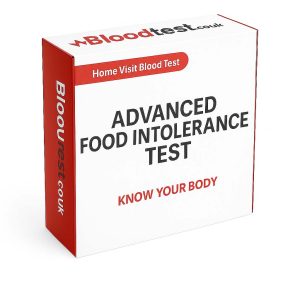
This Article Was First Found On https://bloodtest.co.uk
The Article Food Intolerance Test Solutions: Find Relief in Slough Was Found On https://limitsofstrategy.com
The Article Food Intolerance Test Solutions for Relief in Slough found first on https://electroquench.com