In-Depth Examination of Liver Blood Tests Offered in Plymouth
What is the Purpose of a Liver Blood Test?
Private Liver Blood Test in Plymouth: A liver blood test acts as a crucial diagnostic tool that assesses liver function by measuring various enzymes, proteins, and other key substances in the bloodstream. In Plymouth, healthcare professionals depend on this simple yet highly effective blood draw to identify liver conditions at an early stage, facilitating timely interventions that lead to improved health outcomes. This testing can uncover a variety of concerns, including hepatitis, cirrhosis, and fatty liver disease, which highlights its significance in routine health evaluations.
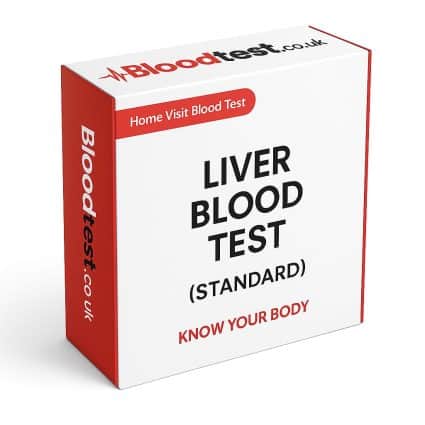

Given the liver’s vital role in metabolism, detoxification, and overall bodily function, grasping the importance of these tests is essential for residents aiming to sustain optimal liver health.
Understanding the Various Types of Liver Blood Tests
A comprehensive array of liver blood tests is routinely conducted in Plymouth, each offering distinct insights into liver functionality. The primary tests include:
- Alanine Aminotransferase (ALT): This enzyme is crucial for assessing liver health, as elevated levels may signal liver damage.
- Aspartate Aminotransferase (AST): Similar to ALT, AST levels assist in identifying liver dysfunction and can indicate damage arising from various causes.
- Bilirubin Test: This test evaluates bilirubin levels in the blood, reflecting liver health, bile duct obstruction, or red blood cell breakdown.
- Alkaline Phosphatase (ALP): Elevated ALP levels may suggest liver diseases or obstructions in the bile duct.
- Albumin and Total Protein Tests: These assessments evaluate the liver’s ability to produce essential proteins, indicating chronic liver conditions.
These liver blood tests are routinely employed during general health evaluations across the region, enabling precise diagnoses and effective monitoring of liver health.
Why Early Detection is Essential for Maintaining Liver Health
Early detection of liver abnormalities through blood testing can have a significant impact on patient wellbeing. Identifying issues at their onset allows for proactive management strategies that can prevent the progression of liver diseases. For instance, routinely monitoring liver enzyme levels can alert healthcare providers to potential complications before they escalate into serious health issues. In accessible healthcare settings throughout Plymouth, patients are encouraged to engage in regular testing, which offers a comprehensive understanding of their liver health. This proactive approach not only enhances individual health outcomes but also positively affects the overall public health landscape by decreasing the occurrence of advanced liver diseases.
Key Preparations to Ensure Accurate Results for Liver Blood Tests
Proper preparation for a liver blood test in Plymouth is vital to guarantee accurate results. Generally, patients are advised to fast for a specific period, often overnight, prior to the test. This fasting helps eliminate any food or drink that could interfere with the test results. Furthermore, individuals may need to abstain from alcohol consumption and specific medications, as these factors can distort the results. Healthcare professionals provide detailed guidance, including which medications are safe to continue and which should be temporarily paused. By adhering to these preparatory measures, patients can promote a thorough evaluation of liver function, ultimately yielding more reliable health insights.
How to Effectively Interpret Liver Blood Test Results
Interpreting the outcomes of a liver blood test in Plymouth necessitates a thorough evaluation of various enzyme levels and additional blood markers. Healthcare professionals play an essential role in this process, discussing results with patients to identify any potential liver issues. For instance, elevated ALT and AST levels typically indicate liver inflammation, whereas abnormal bilirubin levels may suggest conditions such as jaundice or bile duct obstruction. Following this interpretation phase, healthcare providers offer recommendations on necessary treatments and lifestyle modifications, supporting ongoing health monitoring. This approach is particularly significant for managing chronic conditions like fatty liver disease, where regular testing enables timely interventions that can greatly enhance patient outcomes.
Expert Perspectives on Liver Blood Testing Practices in Plymouth
Assessing the Reliability and Accuracy of Liver Blood Tests
The reliability of liver blood tests is a critical aspect for healthcare professionals in Plymouth. Numerous studies and clinical practices indicate that these tests yield trustworthy results, essential for developing effective treatment plans. For instance, when patients exhibit symptoms indicative of liver dysfunction, a combination of liver enzyme tests can accurately reflect the extent of liver damage. Physicians in the area consistently utilise these tests to monitor liver conditions over time, ensuring that required adjustments to treatment protocols can be made based on precise data. This accuracy not only enhances individual patient care but also reinforces the credibility of local medical practices.
How Do Specialists Interpret Test Results for Optimal Patient Care?
Healthcare specialists diligently analyse liver blood test results, focusing on enzyme levels and other markers to inform personalised care strategies. For example, if a patient presents elevated liver enzymes, specialists may recommend additional imaging or diagnostic tests to ascertain the underlying cause. Moreover, they provide actionable recommendations for patients based on common findings—suggesting dietary modifications or lifestyle changes if non-alcoholic fatty liver disease is suspected. This comprehensive approach fosters a collaborative relationship between patients and healthcare providers, ensuring that care strategies are tailored to effectively meet individual health needs.
Practical Applications of Liver Blood Tests in Plymouth
In Plymouth, the practical application of liver blood tests extends well beyond initial diagnoses and encompasses ongoing patient monitoring. For instance, individuals diagnosed with chronic liver conditions may have their liver functionality consistently evaluated through these tests, enabling timely adjustments in treatment strategies. Experts in the region stress the importance of incorporating liver blood tests into routine health check-ups, particularly for at-risk populations. This proactive methodology is underpinned by established medical protocols endorsing regular testing to avert complications, enhance patient education, and empower individuals to take an active role in their health management.
Understanding the Liver Blood Test Procedure
A Detailed Step-by-Step Overview of the Testing Procedure
The process for conducting a liver blood test is straightforward and generally involves several simple steps. Initially, a healthcare professional will prepare the patient by thoroughly explaining the test and ensuring their comfort. Following this, a blood sample is collected, typically from a vein in the arm using a fine needle. This process is quick and often takes only a few minutes. The collected blood sample is then sent to a laboratory for analysis to measure various liver enzymes and substances. The significance of this standard protocol is paramount, as it ensures the integrity of the results and the overall health of the liver, thereby guiding subsequent medical decisions.
What Essential Preparations Should Be Made Before the Test?
Proper preparation for a liver blood test is essential to achieve precise results. Patients are typically advised to fast for 8-12 hours prior to the test, as consuming food or drink can influence blood levels of specific enzymes. Furthermore, it is critical to inform healthcare providers about any medications being taken, as some may interfere with test results. For instance, certain supplements or herbal products might cause misleading enzyme levels. Ensuring that patients understand these preparatory steps optimises test accuracy and contributes to a smoother experience on the day of testing.
What Are the Potential Risks Associated with the Procedure?
While liver blood tests are generally considered safe, there are minor risks associated with the procedure, such as bruising or infection at the site of the puncture. These risks are usually minimal and can be effectively managed in controlled healthcare environments. To encourage safe and informed decision-making, healthcare professionals take necessary precautions to minimise complications, using sterile equipment and providing clear aftercare instructions. Understanding these minor risks helps alleviate patients’ concerns, ensuring they feel confident in undergoing the test and receiving the necessary evaluations for their liver health.
Research-Backed Advantages of Liver Blood Tests in Plymouth
Key Research Insights on Liver Health and Testing
A plethora of studies underscores the advantages of liver blood tests in detecting and managing liver-related health concerns. A summary of significant research findings reveals several evidence-based benefits of these tests:
- Early identification of liver diseases facilitates timely interventions, significantly improving patient outcomes.
- Routine liver blood tests correlate with a reduction in hospital admissions for advanced liver disease.
- Regular blood testing encourages healthier lifestyle choices, thus decreasing the risk of chronic liver conditions.
- Tests are essential in determining the need for specialist referrals, ensuring comprehensive patient care.
Real-world examples illustrate how these insights have resulted in improved health outcomes in everyday medical scenarios, reinforcing the critical importance of consistent liver health monitoring.
Long-Term Benefits of Consistent Testing for Liver Health
The long-term advantages of ongoing liver blood testing are profound. Early detection not only informs immediate treatment strategies but also motivates patients to adopt healthier lifestyles, resulting in sustained health benefits over time. For example, patients with elevated enzyme levels may receive recommendations to modify their diet or increase physical activity, which can significantly enhance liver function in the long term. Moreover, continuous monitoring aids in preventing the advancement of chronic conditions, such as cirrhosis or liver cancer, underscoring the value of regular testing. This proactive approach ultimately fosters long-term health and wellbeing among residents in Plymouth.
Why Choose Local Liver Blood Testing Facilities in Plymouth?
Selecting local facilities for liver blood tests in Plymouth offers numerous advantages. Firstly, patients benefit from shorter wait times and more accessible appointment options, ensuring timely evaluations. Local clinics are often attuned to community health trends, enabling them to provide tailored care that addresses the specific needs of the population. Additionally, expert recommendations for choosing reputable healthcare providers can ensure high-quality, accessible services. Patients are encouraged to conduct thorough research on clinics, read reviews, and consult with healthcare professionals to make well-informed decisions about where to undergo testing, thereby maximising the benefits of liver health assessments.
What Symptoms Should Prompt a Liver Blood Test?
Key Symptoms to Monitor That Indicate Liver Health Issues
Recognising the symptoms that indicate the need for a liver blood test is crucial for timely intervention. Common symptoms to watch for include jaundice, which manifests as yellowing of the skin and eyes, and persistent fatigue, which may signify underlying liver dysfunction. Additionally, unexplained weight loss, dark urine, light-coloured stools, and abdominal swelling can also indicate possible liver issues. By being vigilant about these symptoms, individuals can take proactive steps to seek evaluation and treatment, ultimately enhancing their chances of early diagnosis and effective management of liver conditions.
When Should You Consult a Healthcare Professional Regarding Liver Health?
Consulting a healthcare professional about liver blood testing is imperative when experiencing concerning symptoms. Critical indicators that necessitate immediate attention include sudden or severe abdominal pain, significant changes in appetite or weight, and persistent nausea or vomiting. Healthcare professionals recommend that individuals experiencing these symptoms schedule an appointment promptly, as timely testing can lead to early diagnosis and effective treatment. By being proactive about their health, patients can assume an active role in managing their liver health and addressing potential issues before they escalate.
The Importance of Follow-Up Appointments After Testing
After a liver blood test, it is essential to arrange a follow-up appointment to ensure ongoing care. Patients should schedule a review with their healthcare provider to discuss test results and understand their implications. This discussion is vital for addressing any necessary follow-up actions, which may involve further testing or lifestyle changes. Healthcare professionals may also offer guidance on symptom monitoring and maintaining a healthy lifestyle to support liver function. By prioritising these follow-up steps, individuals can actively participate in their health management and contribute to better long-term outcomes.
Essential Steps to Prepare for Your Liver Blood Test in Plymouth
How to Identify a Reliable Clinic for Liver Blood Testing in Plymouth
Finding a reputable clinic in Plymouth for a liver blood test is a fundamental step in effectively managing liver health. Patients can begin by researching local healthcare providers, examining reviews, and seeking recommendations from family or friends. Booking an appointment is generally straightforward, often facilitated by online platforms or phone consultations. During the clinic visit, patients can expect a brief assessment and clear instructions regarding the testing process. Ensuring a smooth experience not only alleviates anxiety but also increases the likelihood of obtaining accurate, timely results.
Understanding Costs and Insurance Coverage for Liver Blood Tests
Grasping the financial aspects associated with liver blood tests is essential for effective planning. In Plymouth, the cost of these tests can vary based on the facility and specific tests performed. Patients are encouraged to inquire about typical fees and whether their insurance plan covers the procedure. Many local clinics offer transparent pricing and may present payment options to alleviate financial stress. By being informed about costs and insurance coverage, individuals can access necessary services without undue burden, ensuring they prioritise their liver health.
Aftercare Guidelines to Ensure Optimal Recovery
Post-test care is crucial for optimising recovery and promoting long-term liver health. Patients are advised to monitor for any unusual symptoms, such as persistent pain or changes in their condition, and to maintain open communication with their healthcare provider regarding these observations. Emphasising a healthy lifestyle is also vital—incorporating a balanced diet, engaging in regular exercise, and avoiding excessive alcohol consumption can significantly benefit liver function following the test. By adhering to these aftercare recommendations, individuals can take proactive steps toward enhancing their liver health and overall wellbeing.
Critical Pre-Test Preparations for Effective Liver Blood Testing
Preparing for a liver blood test in Plymouth involves several fundamental steps to ensure accurate results. Patients should comply with fasting requirements, typically lasting 8-12 hours before the test, to avoid any interference from food. Additionally, refraining from certain foods or medications that could affect enzyme levels is crucial; it is advisable to consult healthcare professionals about what to avoid. Staying hydrated is also important; individuals should ensure they are well-hydrated before the test, as this can facilitate the blood draw. By following these guidelines, patients can ensure a smoother testing experience and more reliable results.
Frequently Asked Questions About Liver Blood Tests
What is the purpose of a liver blood test?
A liver blood test is utilised to assess liver function, identify liver diseases, and monitor overall liver health by measuring enzymes, proteins, and substances present in the blood.
How frequently should I undergo a liver blood test?
The frequency of liver blood tests varies based on individual risk factors and health conditions. Generally, regular checks are advised if you have a history of liver issues or engage in high-risk behaviours.
Are there any risks associated with liver blood tests?
While liver blood tests are typically safe, minor risks include bruising or infection at the puncture site. These risks are generally low in controlled healthcare environments.
How long does it take to receive liver blood test results?
Most liver blood test results are available within a few days. However, the exact timeframe may vary depending on the laboratory processing the tests.
What do elevated liver enzymes signify?
Elevated liver enzymes may indicate liver inflammation, damage, or disease. Common causes include hepatitis, fatty liver disease, and excessive alcohol consumption.
Can I eat before undergoing a liver blood test?
Patients are generally advised to fast for 8-12 hours prior to the test, as eating can affect test results. Always adhere to specific instructions from healthcare providers.
What symptoms suggest that I need a liver blood test?
Symptoms such as jaundice, persistent fatigue, unexplained weight loss, and abdominal swelling may indicate the necessity for a liver blood test. It is crucial to consult a healthcare professional if experiencing these symptoms.
What happens if my liver blood test results are abnormal?
If results are abnormal, healthcare providers will discuss potential causes and next steps, which may include further testing, lifestyle changes, or treatment plans.
Does insurance cover liver blood tests?
Coverage for liver blood tests varies by insurance plan. Patients should check with their insurance provider to understand their coverage and any associated costs.
Can lifestyle changes enhance liver health after testing?
Absolutely, adopting a healthy lifestyle, including a balanced diet, regular exercise, and avoiding alcohol, can significantly improve liver health and function after testing.
Join our community on Facebook today!
This Article Was First Found On https://bloodtest.co.uk
The Article Liver Blood Test: A Vital Resource for Plymouth Residents found first on https://electroquench.com