Discover the Essential Advantages of Barefoot Shoes for Walking
Immerse Yourself in the World of Barefoot Shoes
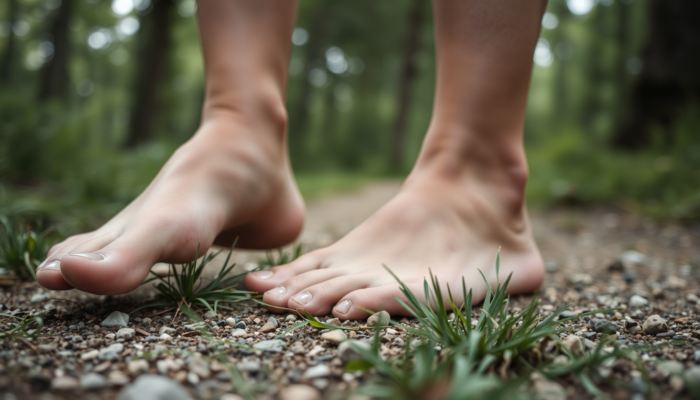
Barefoot shoes represent a revolutionary category of footwear designed to replicate the experience of walking without shoes. These minimalist shoes are engineered to offer a natural fit, allowing the foot to move freely in accordance with its inherent mechanics. By eliminating the excessive cushioning and support commonly found in traditional footwear, barefoot shoes enable wearers to reconnect with the ground beneath them, significantly enhancing their walking experience. This distinctive style of footwear has gained popularity among walkers, runners, and outdoor enthusiasts who appreciate the principles of natural biomechanics and movement.
At MyShoesFinder, we are dedicated to providing expert insights on barefoot shoes, helping outdoor enthusiasts to discover a more authentic walking experience. Our platform generates income through affiliate partnerships and product recommendations, guiding users to the most suitable options available. Our mission is to deliver valuable information that empowers users to make informed decisions regarding their footwear selections.
This comprehensive guide will thoroughly examine the key characteristics of barefoot shoes, including:
- Essential attributes that define barefoot shoes
- Health benefits associated with walking in barefoot shoes
- A comparative analysis of barefoot shoes versus traditional footwear
- Expert advice on transitioning to barefoot footwear
- Important considerations for selecting the perfect pair
Identifying the Key Features of Barefoot Shoes
Barefoot shoes are uniquely designed with several defining characteristics that distinguish them from conventional footwear:
- Flexible Soles: These soles are crafted to bend and flex in synchrony with the foot’s natural movements, allowing for unrestricted motion and enhanced comfort.
- Wide Toe Box: A spacious toe area promotes natural toe splay, which is crucial for maintaining balance and stability during movement.
- Minimal Cushioning: Barefoot shoes feature little to no cushioning, enhancing proprioception by allowing direct engagement with the ground and its textures.
- Lightweight Construction: Made from lightweight materials, barefoot shoes minimise fatigue during extended walking sessions, making each step more enjoyable.
- Breathable Fabrics: Many designs incorporate breathable materials to keep feet cool and comfortable, even in warmer climates.
- Non-Slip Outsoles: Specifically designed for grip, these outsoles provide reliable traction on various surfaces, ensuring safety while walking.
- Zero Drop Design: This design feature guarantees no height difference between the heel and toe, fostering a natural walking posture and reducing strain.
These features collectively promote natural foot movement, encouraging overall foot health and enhancing comfort for the wearer, making barefoot shoes an appealing choice for many individuals.
How Are Barefoot Shoes Different from Traditional Footwear?
The fundamental differences between barefoot shoes and conventional footwear lie in their contrasting philosophies regarding support and cushioning. Traditional shoes often incorporate substantial cushioning, arch support, and structured designs that can impede the foot’s natural movement. Conversely, barefoot shoes adopt a minimalist design, allowing the foot to function naturally, thereby supporting optimal biomechanics and movement patterns.
A significant distinction is the level of cushioning provided. Traditional shoes rely on thick soles to absorb shock, which may initially create a sense of comfort but can disconnect the wearer from the ground. In contrast, barefoot shoes offer minimal cushioning, which fosters awareness and encourages a more natural gait, potentially reducing the risk of common injuries associated with walking.
| Feature | Traditional Shoes | Barefoot Shoes |
|---|---|---|
| Cushioning | High cushioning | Minimal to none |
| Toe Box | Narrow | Wide |
| Weight | Heavier | Lightweight |
Moreover, the construction of traditional shoes often leads to a reliance on external support, which can weaken foot muscles over time. In contrast, barefoot shoes encourage the strengthening of intrinsic foot muscles, ultimately enhancing both foot health and overall functionality, allowing for improved movement.
What Health Benefits Can Barefoot Shoes Provide for Walking?
How Can Barefoot Shoes Enhance Balance and Stability?
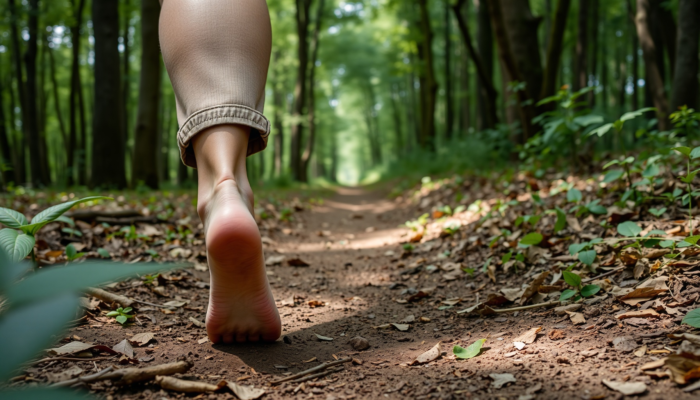
One of the most significant benefits of wearing barefoot shoes for walking is their ability to improve balance and stability. This enhancement is primarily due to the increased ground contact that these shoes facilitate. With minimal cushioning, wearers can more acutely sense the surface beneath their feet, thus amplifying sensory feedback and proprioceptive awareness.
This heightened awareness allows individuals to adapt more effectively to uneven surfaces, ultimately enhancing overall balance during movement. The increased flexibility of the foot contributes to a more natural gait, thereby improving stability while walking or running. This benefit is particularly valuable for activities on varied terrains, such as hiking in the hills or strolling along sandy beaches.
| Benefit | Impact |
|---|---|
| Balance | Improved |
| Stability | Enhanced |
| Flexibility | Increased |
Individuals who incorporate barefoot shoes into their walking routines frequently report an enhanced sense of stability and grounding, especially on challenging surfaces. This newfound stability empowers walkers to confidently explore unfamiliar environments, making outdoor adventures significantly more enjoyable and fulfilling.
Can Barefoot Shoes Assist in Alleviating Foot Pain?
Many individuals find that transitioning to barefoot shoes can substantially alleviate certain types of foot pain. However, it is crucial to approach this transition with careful consideration and a gradual strategy to avoid discomfort. Numerous users report significant reductions in pain after making this switch, primarily due to how barefoot shoes support natural foot mechanics and movement patterns.
The minimalist design enables the foot to flex and move naturally, potentially alleviating discomfort associated with common conditions such as plantar fasciitis and bunions. By strengthening foot muscles and promoting a more efficient walking style, wearers may experience fewer aches and pains over time.
Nevertheless, it is essential to transition gradually. For those accustomed to traditional footwear, making a sudden change can result in discomfort or injury. Experts recommend commencing with brief walks and progressively increasing duration and intensity as comfort allows to ensure a smooth adaptation process.
What Essential Health Advantages Are Associated with Wearing Barefoot Shoes?
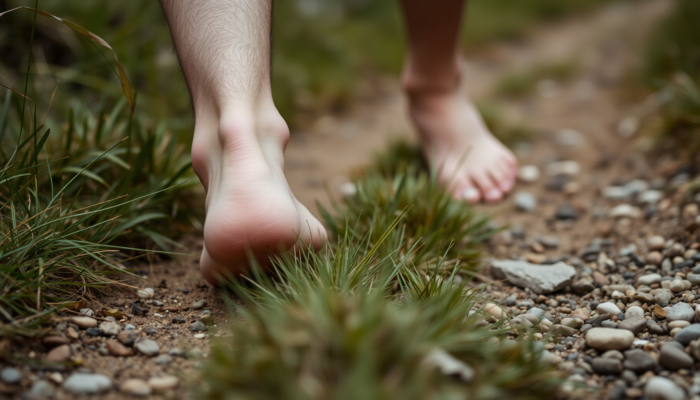
Barefoot shoes offer a myriad of health benefits that enhance overall wellbeing and promote a more active lifestyle. Here are some essential advantages:
- Improved Posture: Encourages natural alignment, leading to enhanced posture while walking and standing.
- Strengthened Foot Muscles: Promotes the use of small foot muscles, increasing strength and stability over time.
- Enhanced Proprioception: Increases ground contact, improving sensory feedback and spatial awareness.
- Reduced Risk of Injury: Improved biomechanics and strengthened foot muscles lower the likelihood of common walking injuries.
- Better Circulation: A natural fit allows for improved blood flow to the feet, minimising fatigue during activities.
- Environmental Connection: Feeling the terrain fosters a more immersive experience in nature and enhances sensory enjoyment.
- Flexibility and Agility: Enhanced flexibility supports more dynamic movement, contributing to overall agility and responsiveness.
These health benefits underscore the importance of choosing footwear that encourages natural movement and supports foot health, making barefoot shoes an excellent choice for walking enthusiasts worldwide.
What Expert Insights Are Available on Barefoot Shoes for Walking?
What Research Supports the Benefits of Barefoot Shoes?
A substantial body of research endorses the advantages of wearing barefoot shoes, especially regarding injury prevention and enhanced physical performance. Studies suggest that minimalist footwear promotes a more natural gait, reducing impact on joints and decreasing the risk of common injuries associated with traditional footwear.
Research indicates that transitioning to barefoot shoes can improve muscle strength in the feet and lower legs, contributing to better stability and balance, which are critical for various activities. The accumulation of such evidence highlights the importance of considering barefoot shoes as a viable option for those seeking to elevate their walking experience and enhance their overall wellbeing.
While the growing body of research showcases these advantages, it is essential to approach the transition to barefoot footwear with caution. Each individual’s foot structure and walking style are unique, making personal experience and gradual adaptation key factors in the process.
What Aspects Should You Prioritise When Selecting Barefoot Shoes?
When choosing barefoot shoes, several key factors must be considered to ensure they meet your specific walking needs and preferences:
- Material: Select lightweight, breathable materials that enhance comfort and durability during use.
- Fit: A snug fit is essential, but ensure there is enough room in the toe box for natural movement and toe splay.
- Flexibility: The shoe should flex easily at the ball of the foot to allow for natural movement and comfort.
- Traction: Assess the outsole for adequate grip on the surfaces you intend to walk on, enhancing safety and stability.
- Weight: Lightweight shoes help reduce fatigue and enhance the overall walking experience, making each step enjoyable.
- Drop: Opt for zero-drop designs to foster a more natural walking posture and help maintain alignment.
- Style: Choose a style that aligns with your intended use, whether for casual walking or adventurous trail excursions.
Evaluating these factors will enable you to select barefoot shoes that fit well and enhance your overall walking experience, ensuring satisfaction with your choice.
What Strategies Should You Implement for a Smooth Transition to Barefoot Shoes?
What Techniques Will Ensure a Successful Transition?
Transitioning to barefoot shoes can be an exciting venture, but it must be approached thoughtfully to avoid potential injuries. Experts recommend a gradual transition, starting with short walks—typically lasting just 10 to 15 minutes—and progressively increasing duration as comfort improves.
During the initial phase, some soreness in the feet and calves is a normal response as the muscles adjust to the new footwear. To alleviate discomfort, consider alternating between traditional shoes and barefoot shoes until your feet become accustomed to the minimalist design. Incorporating specific strengthening exercises for the feet and calves can further facilitate the adaptation process and promote resilience.
Focusing on your walking technique can help maximise the benefits of wearing barefoot shoes. Aim for a midfoot strike and practice landing softly to reduce impact and enhance comfort. As you build strength and confidence, progressively increase your walking distances and explore a variety of terrains, enriching your overall walking experience.
How Do Barefoot Shoes Affect Your Walking Style?
What Changes Occur in Gait Mechanics with Barefoot Shoes?
Wearing barefoot shoes significantly influences gait mechanics, promoting a more natural and efficient walking style. Traditional footwear often encourages a heel-first strike, which can lead to increased impact forces and potential injuries. In contrast, barefoot shoes facilitate a midfoot or forefoot strike, allowing for improved shock absorption and a more fluid motion.
As the body adapts to barefoot footwear, walkers may notice several changes in their gait. The foot’s natural range of motion is encouraged, resulting in improved flexibility and a stronger connection to the ground. This enhanced proprioception not only makes walking more enjoyable but can also contribute to increased foot strength and resilience over time.
| Gait Aspect | Traditional Shoes | Barefoot Shoes |
|---|---|---|
| Strike Type | Heel-first | Midfoot/Forefoot |
| Shock Absorption | High impact | Natural |
| Flexibility | Limited | Enhanced |
These changes can lead to improved posture and alignment throughout the body. As the feet function optimally, the hips and spine align naturally, fostering a healthy walking posture that alleviates strain on the joints and enhances overall comfort.
Are There Potential Risks Associated with Barefoot Walking?
Despite the myriad advantages of barefoot walking, certain risks must be acknowledged. Transitioning too quickly can result in overuse injuries, particularly in the calves or arches. Common issues may include strains or soreness due to increased demands on muscles and tendons that were previously accustomed to traditional footwear.
To minimise these risks, it is crucial to listen to your body and allow ample recovery time. If you experience persistent discomfort or pain, it may indicate the need to reduce your walking duration or frequency. Additionally, walking on rough or uneven surfaces can heighten the risk of cuts or sprains if you are not accustomed to barefoot walking.
Proper education on walking technique is essential for safely enjoying the benefits of barefoot shoes. Emphasising soft landings and a midfoot strike can help reduce impact and promote a safer walking experience. By remaining mindful of technique and the transition process, walkers can fully enjoy the advantages of barefoot shoes while minimising potential downsides.
What Effective Strategies Can Assist You in Selecting Barefoot Shoes?
What Key Factors Should You Consider When Choosing Shoes?
When selecting barefoot shoes, several important factors play a crucial role in ensuring you find the ideal fit for your walking habits and preferences:
- Fit: Barefoot shoes should feel snug but not overly tight, allowing ample room in the toe box for natural movement and toe splay.
- Terrain: Different shoe models cater to a variety of environments, from smooth pavements to rugged trails, ensuring versatility.
- Flexibility: The sole should facilitate natural foot movement; a shoe that bends easily at the ball of the foot supports your walking style effectively.
- Weight: Lightweight options can help prevent fatigue during extended walks, enhancing enjoyment.
- Materials: Breathable fabrics improve comfort, particularly in warmer climates, allowing for better ventilation.
- Drop: A zero-drop design encourages a more natural foot position and promotes healthy biomechanics.
By carefully evaluating these factors, you can select barefoot shoes that align with your walking needs and personal preferences, ensuring a satisfying and beneficial walking experience.
Which Brands Are Recognised in the Barefoot Shoe Industry?
Numerous reputable brands have established themselves within the realm of barefoot shoes, offering a diverse selection tailored to various walking styles and preferences:
- VivoBarefoot: Renowned for its commitment to sustainability and natural performance, offering eco-friendly options.
- Xero Shoes: Provides a range of minimalist footwear designed for various activities, from casual walks to outdoor adventures.
- Merrell: Offers barefoot-inspired shoes with rugged features suitable for hiking and trail walking.
- New Balance: Embraces the barefoot trend with their Minimus range, blending traditional designs with minimalist characteristics for diverse use.
By exploring the various options available from these distinguished brands, walkers can find the ideal barefoot shoes that meet their specific preferences and requirements, enhancing their walking experience.
What Constitutes the Ideal Fit for Barefoot Shoes?
Achieving the perfect fit for barefoot shoes is vital for maximising comfort and performance. Ensure that the shoes feel snug around the midfoot while allowing sufficient room in the toe box for natural movement. Your toes should be able to spread comfortably without feeling restricted.
When trying on barefoot shoes, walk around in them to assess overall comfort. Pay attention to any areas of tightness or pressure that may indicate an improper fit. Ideally, there should be minimal movement within the shoe while still allowing for good circulation without discomfort or pinching.
The Article Barefoot Shoes for Walking: Explore Their Unique Benefits appeared first on My Shoes Finder
Discover Related Topics:
 Xero Shoes for Children: 2025 Developmental Podiatry Guide
 Xero Shoes for Back Pain Relief and Improved Posture
 Running in Xero Shoes: Explore the Advantages
 Xero Shoes: Discovering the Brand’s Origins and Makers
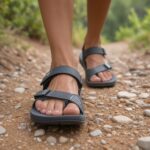 Xero Shoes Sandals: Experience the Joy of Barefoot Walking
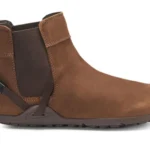 Chelsea Boots Guide: Discover Xero Shoes Styles and Benefits
The Article Barefoot Shoes for Walking: Discover Their Unique Advantages Was Found On https://limitsofstrategy.com
The Article Barefoot Shoes: Uncover Their Unique Benefits for Walking was first published on https://electroquench.com